If you only know Dyker Heights for its famous holiday lights, you are missing the neighborhood most residents experience every day. Beyond the seasonal crowds, Dyker Heights is a lived-in part of South Brooklyn with low-rise homes, leafy streets, local shopping corridors, and a routine that feels steady and practical. If you are thinking about moving here, renting here, or selling a home here, understanding that year-round rhythm matters. Let’s dive in.
Dyker Heights Is More Than A Holiday Stop
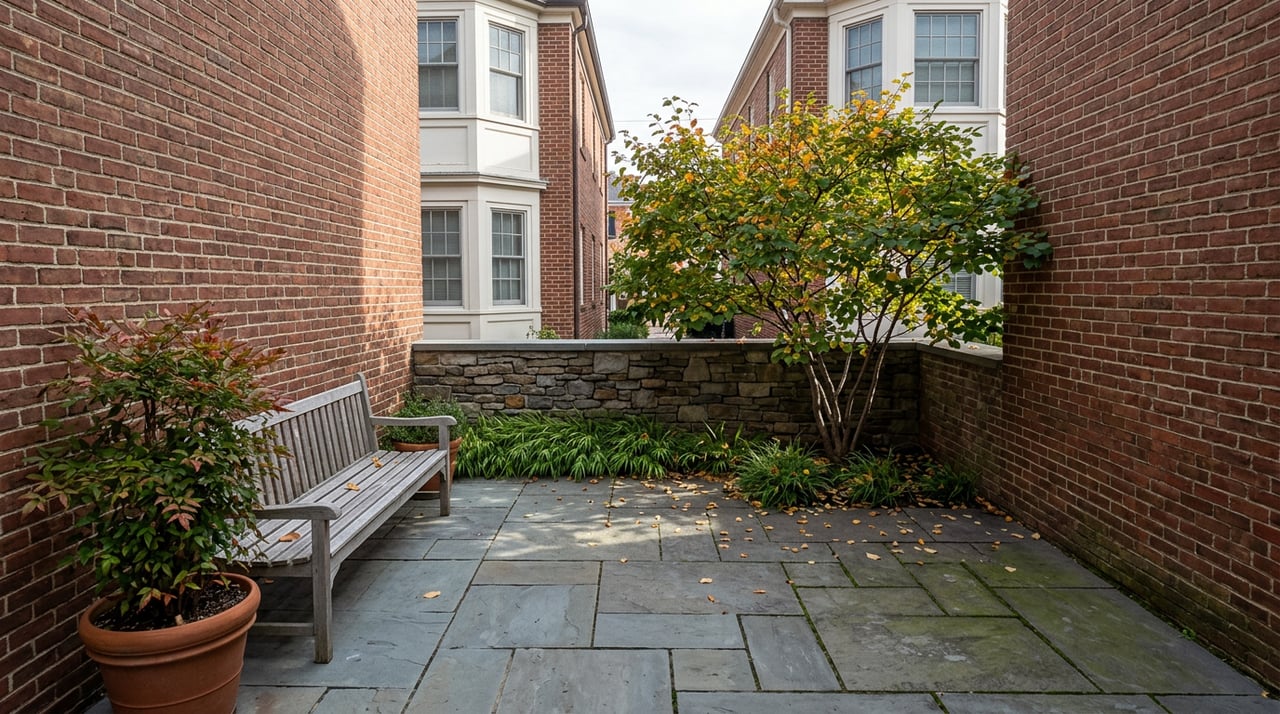
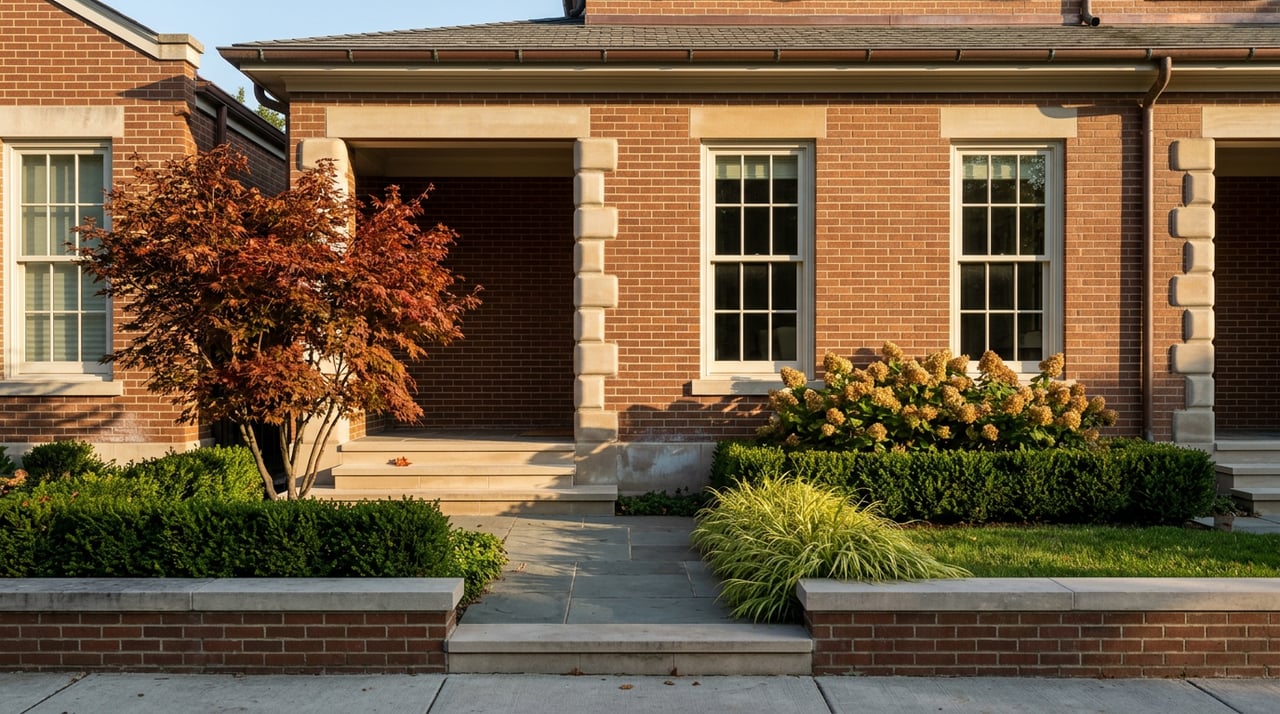
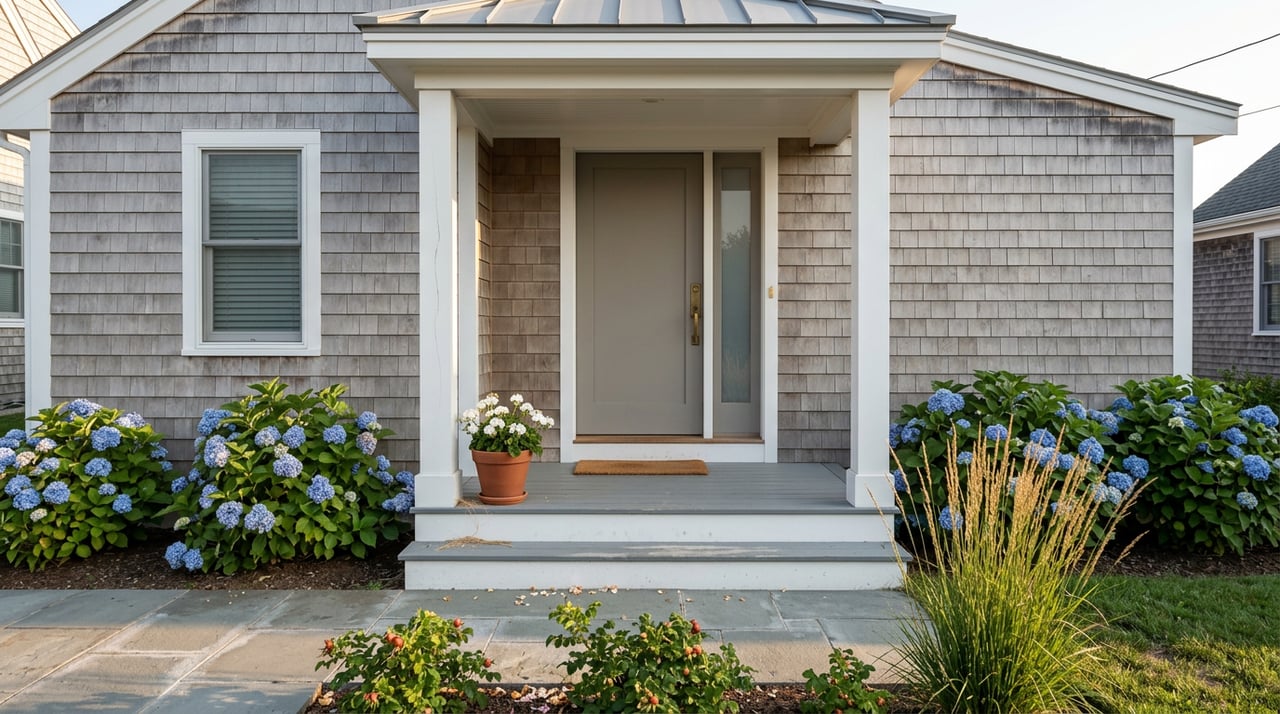
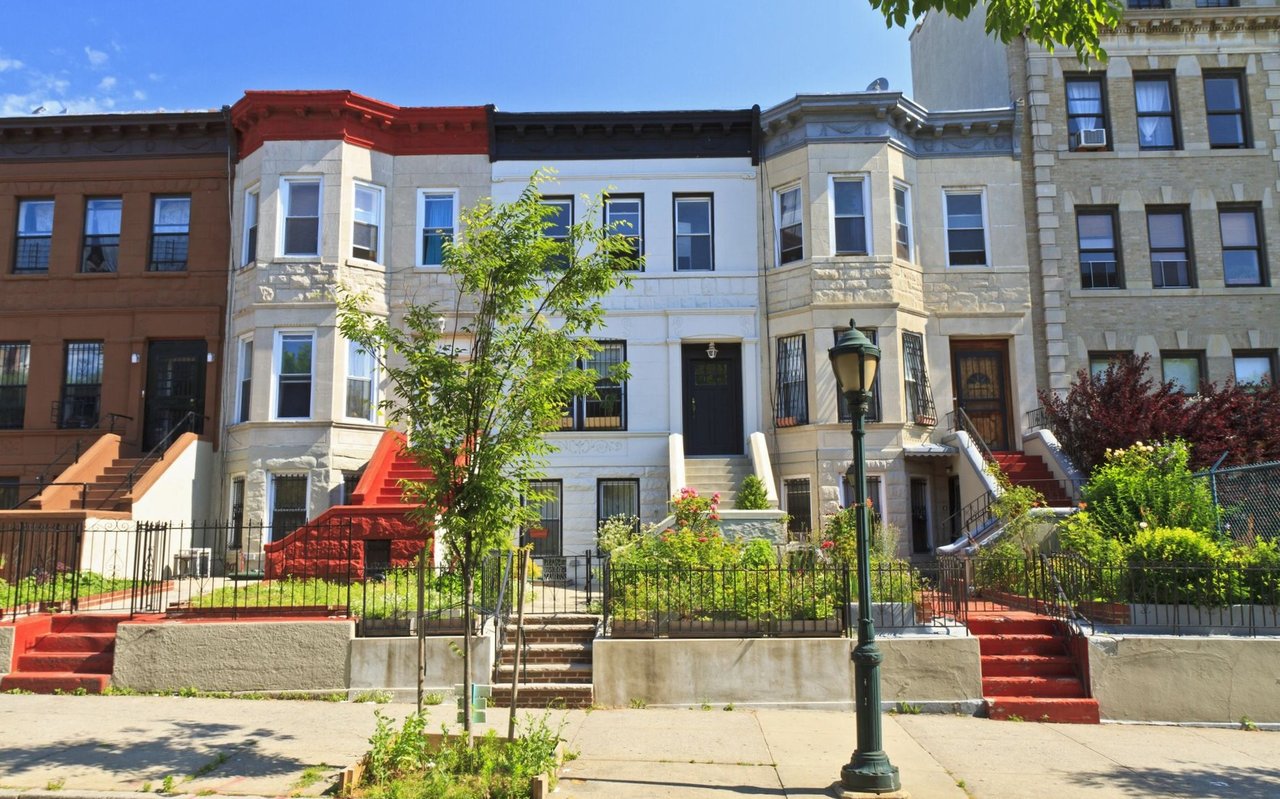
Dyker Heights sits within Brooklyn Community Board 10 alongside Bay Ridge and Fort Hamilton. City planning materials describe it as a largely residential area shaped by detached and semi-detached one- and two-family homes, rowhouse blocks, lawns and gardens, and neighborhood retail corridors.
That description helps explain why the area feels so different from busier, higher-density parts of Brooklyn. Even when corridor blocks are active with shops and services, many interior streets keep a lower-scale residential feel. The neighborhood is known for its holiday displays, but the built environment is designed around daily life, not tourism.
What Everyday Streetscapes Feel Like
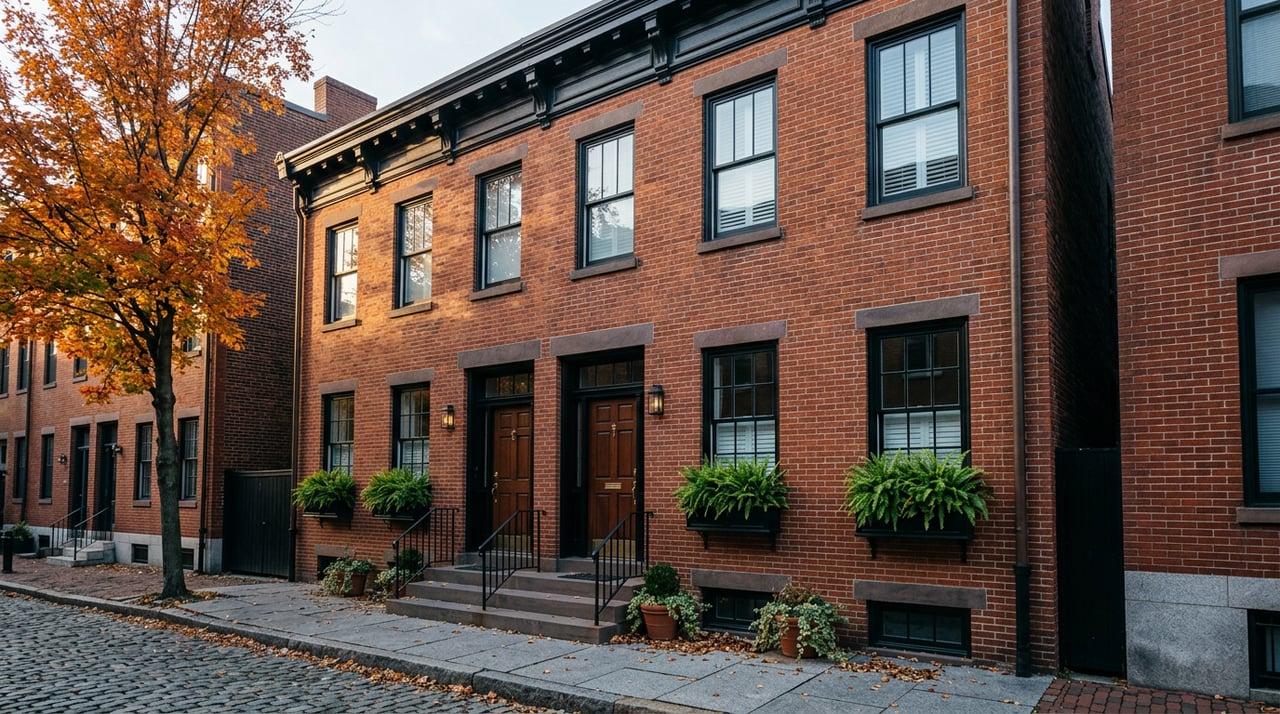
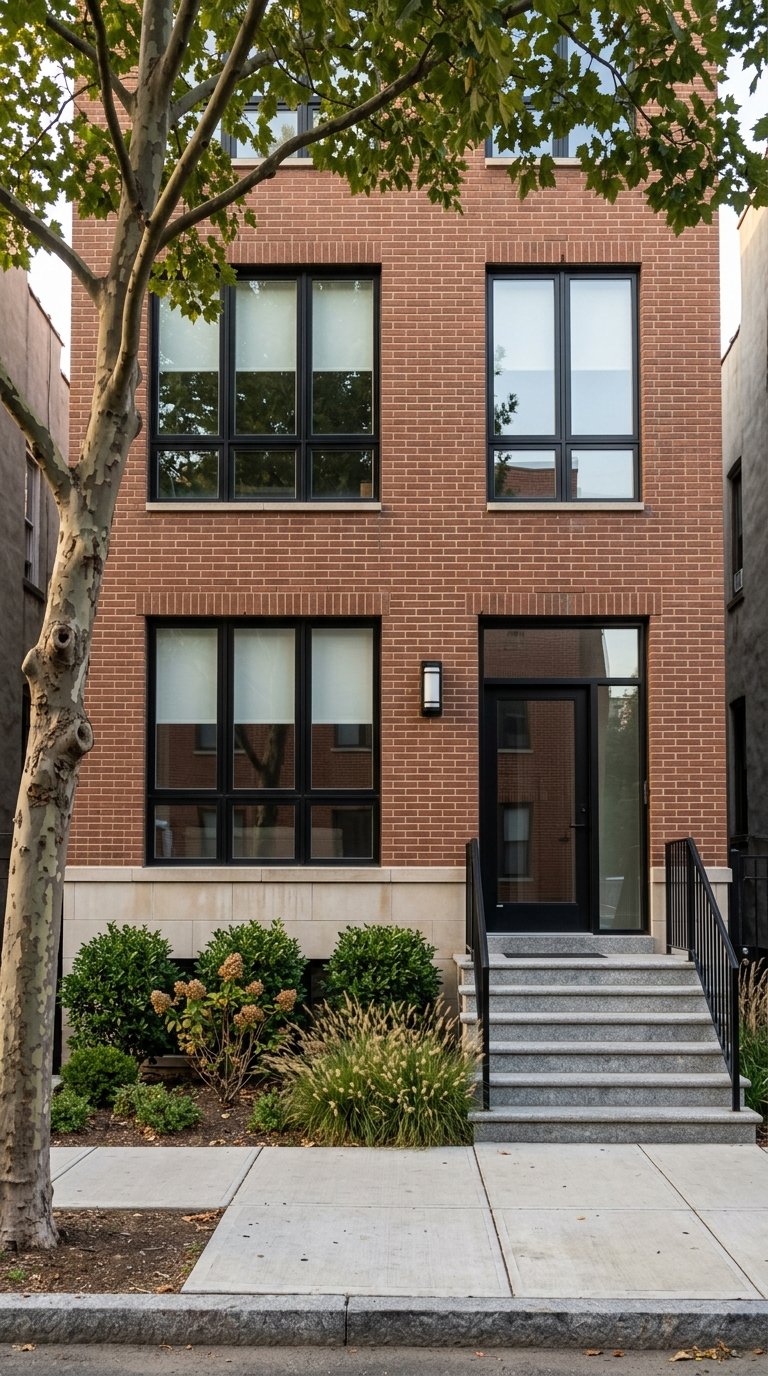
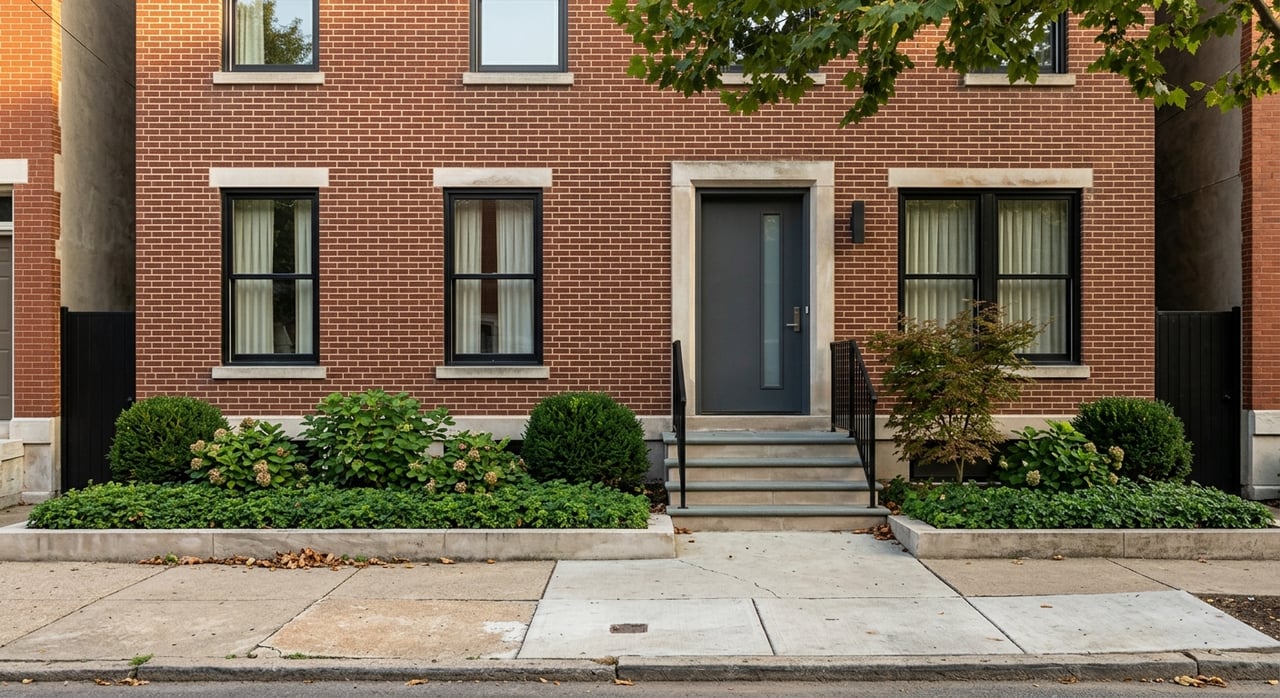
A big part of Dyker Heights’ identity comes from its housing pattern. City rezoning materials note that many blocks are lined with two- and three-story houses, detached or semi-detached one- or two-family homes, and multi-family rowhouse blocks.
That mix creates a block-by-block rhythm that feels settled and established. Some streets read as quiet and residential, while others near commercial corridors feel a little more mixed-use. For you as a buyer or seller, that means location within the neighborhood can shape the feel of a property as much as the home itself.
Current NYC Planning maps still show R5B zoning in parts of Dyker Heights. This is a contextual low-rise residence district, which supports the neighborhood’s lower-height character and helps explain why many streets still feel consistent in scale.
Why Dyker Heights Feels Established
The broader Bay Ridge and Dyker Heights profile adds useful context. In 2024, the combined area had about 128,247 residents, a 41.0% homeownership rate, 20.2% of residents age 65 and older, and 25.0% of households with children under 18.
Those numbers point to a neighborhood where many people are putting down roots. This is not a place defined by constant turnover or rapid waves of new construction. Instead, Dyker Heights reads as a mature South Brooklyn neighborhood where people often stay for the long term.
For buyers, that can mean a stronger sense of continuity from block to block. For sellers, it helps explain why neighborhood familiarity and local reputation often matter when marketing a home here.
Housing In Dyker Heights Favors Long-Term Ownership
The housing stock in the broader Bay Ridge and Dyker Heights profile totaled 51,486 units in 2025. From 2010 to 2025, the area added 452 units, which suggests limited new supply in a mature housing market.
That matters because Dyker Heights is not primarily a new-development neighborhood. Instead, much of its appeal comes from existing low-rise homes, larger-format properties, and a housing mix that has developed over time. If you are searching here, you are often weighing home style, lot size, layout, and exact block character more than flashy new inventory.
Sales activity in 2025 was concentrated in one-family buildings and two-to-four-family buildings, with fewer condo and five-plus-family sales in the broader area. Median sales price per unit was about $1.27 million for one-family buildings, $675,000 for two-to-four-family buildings, and $633,910 for condominiums.
Those figures help paint a clear picture. Dyker Heights tends to attract people looking for ownership, more space, and a home they can grow into or hold over time.
What Renters Should Know About The Area
While ownership is a major part of the neighborhood story, rentals still play an important role in the broader market. In 2024, the rental vacancy rate in the Bay Ridge and Dyker Heights profile was 2.5%, which points to a relatively tight rental environment.
Median gross rent was $1,890. The largest share of recent studio and one-bedroom rents fell in the $1,500 to $2,000 range, while two- and three-bedroom units most often fell in the $2,000 to $2,500 range.
For renters, that suggests a market where preparation matters. For landlords, it reinforces why pricing, presentation, and responsive leasing support can make a difference in a neighborhood with steady demand and relatively limited turnover.
Parks Shape Daily Life Here
Dyker Beach Park is one of the neighborhood’s biggest everyday assets. NYC Parks lists it as a 216.66-acre community park in Community Board 10, making it a major outdoor anchor for the area.
That scale matters in real life. A large park can shape how you spend weekends, where you go for fresh air, and how connected a neighborhood feels to recreation. The park page also references the CityParks Junior Golf Center, adding another layer to how residents use the area beyond simple green space.
Dyker Heights also benefits from being part of a broader South Brooklyn network of parks and playgrounds. Nearby listings on the NYC Parks page include Bath Beach Park, Patrick O’Rourke Playground, John J. Carty Park, Garibaldi Playground, and Dan Ross Playground.
The Tree Canopy Changes The Feel
One of the easiest things to notice in Dyker Heights is how leafy many streets feel. According to the NYC Parks tree map, the neighborhood has 3,815 street trees, with London planetree listed as the most common species.
That tree canopy helps support the neighborhood’s well-known residential atmosphere. Even after the holiday season ends, the streetscape still has visual appeal because the area is defined by mature trees, lawns, gardens, and lower-rise homes.
For many buyers, that softer streetscape is part of the draw. It gives parts of Dyker Heights a calmer look without taking you far from the rest of Brooklyn.
Where Residents Shop And Run Errands
Dyker Heights does not revolve around a single downtown-style center. Instead, daily shopping and errands cluster along key neighborhood corridors.
City sources identify 13th Avenue as the neighborhood’s commercial center and heart. Planning materials also point to 86th Street, Fort Hamilton Parkway, 11th Avenue, and 13th Avenue as the main commercial corridors.
That pattern says a lot about how everyday life works here. You are not relying on one giant retail district. Instead, you have several practical corridors where residents handle groceries, services, quick errands, and day-to-day needs.
The 86th Street corridor is especially important. A city planning document describes it as a retail corridor with many destination retail stores and buildings that generally range from one to four stories.
Getting Around Dyker Heights
Transit in Dyker Heights is best understood as bus-forward. The MTA labels the B8 route as Dyker Heights to East Flatbush and the B70 as Dyker Heights to Sunset Park, which shows how local buses support day-to-day movement within Brooklyn.
If you are commuting or planning errands, that local bus network is a core part of neighborhood life. It helps connect residents to nearby commercial areas, adjacent neighborhoods, and subway access.
Subway access is nearby rather than centered within the neighborhood itself. The MTA’s D train timetable includes Bay Parkway, which reflects the practical reality that many Dyker Heights residents pair bus service with nearby subway stops.
For Manhattan-bound travel, nearby Bay Ridge express bus service on the X27 and X37 offers another option. In short, Dyker Heights works well for people who are comfortable using buses as part of their regular routine.
Why This Matters If You’re Buying Or Selling
Understanding everyday life in Dyker Heights helps you make better real estate decisions. If you are buying, you are not just choosing a house style or price point. You are also choosing between quieter residential blocks, mixed-use corridor edges, proximity to parks, and access to daily errands and transit.
If you are selling, the same details shape how your property should be positioned. Buyers looking in Dyker Heights are often weighing neighborhood character, housing style, outdoor access, and long-term livability as much as square footage alone.
This is where local context matters. In a neighborhood with limited new supply, established housing stock, and distinct block-by-block differences, hands-on neighborhood guidance can help you see the full picture.
If you want help navigating Dyker Heights as a buyer, seller, renter, or landlord, Ameer Hamdan offers the local insight and personalized support that can make your next move feel more informed and less stressful.
FAQs
Is Dyker Heights only known for holiday lights?
- No. City and parks sources describe Dyker Heights as a year-round residential neighborhood with low-rise housing, mature street trees, local retail corridors, and a major community park.
What kinds of homes are common in Dyker Heights?
- Detached and semi-detached one- and two-family homes, rowhouse blocks, and some mixed-use buildings along commercial corridors are common in the neighborhood.
Where do people shop in Dyker Heights?
- Residents typically use 13th Avenue, 86th Street, Fort Hamilton Parkway, and 11th Avenue for errands, services, and everyday shopping.
How do residents usually get around Dyker Heights?
- Local bus service plays a major role, especially the B8 and B70, with nearby subway access and express bus options through Bay Ridge.
Does Dyker Heights have a lot of park space?
- Yes. Dyker Beach Park is a major neighborhood asset, and the area also connects to a wider network of nearby parks and playgrounds in South Brooklyn.
Is Dyker Heights a neighborhood with a lot of new housing supply?
- The broader Bay Ridge and Dyker Heights profile shows limited added housing from 2010 to 2025, which supports the idea that this is a mature market with relatively constrained new supply.