Thinking about buying your first small multifamily in Brooklyn? Gravesend might look promising at first glance, but this is one of those neighborhoods where the details matter a lot more than the label. If you want a clearer read on whether Gravesend fits your budget, goals, and comfort level as a first-time buyer, this guide will help you focus on what actually counts. Let’s dive in.
Why Gravesend gets attention
Gravesend sits within Brooklyn Community Board 13, alongside Brighton Beach, Coney Island, and Sea Gate. The district’s official profile points to a long-established residential setting with parks, libraries, schools, senior services, and other neighborhood amenities.
For a first-time small multifamily buyer, that matters because you are not looking at a purely speculative pocket. You are looking at an area with an existing residential base and day-to-day neighborhood infrastructure that supports both owner-occupants and renters.
NYC Planning’s 2019-2023 immigrant analysis also says Gravesend had about 68,600 foreign-born residents and became a majority-immigrant neighborhood. In the broader southern Brooklyn context, Gravesend, Bensonhurst, and Bath Beach are all described as majority-immigrant neighborhoods.
That does not guarantee returns, but it does help explain why Gravesend often appeals to buyers who want an established neighborhood with steady household formation, active retail corridors, and long-term rental demand. In other words, Gravesend can make sense if you value stability and local demand over hype.
Gravesend is not one-size-fits-all
One of the biggest mistakes first-time buyers make is treating Gravesend like it has one housing type and one investment story. It does not.
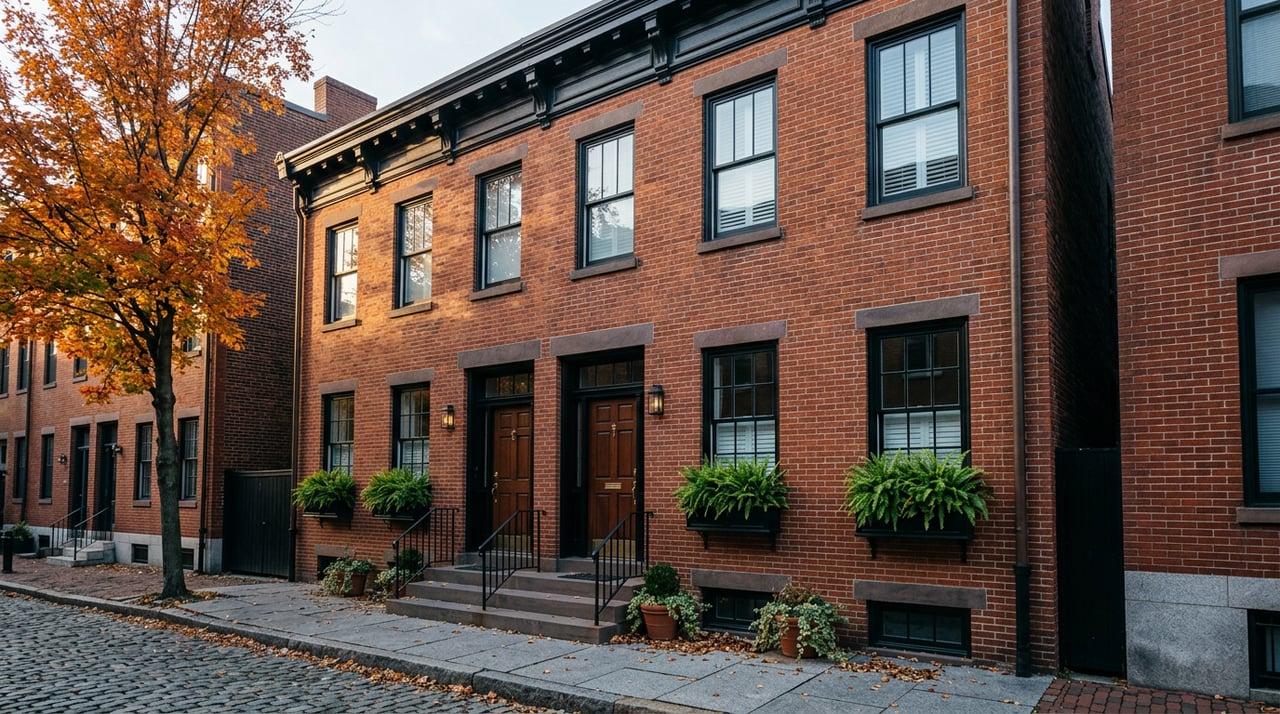
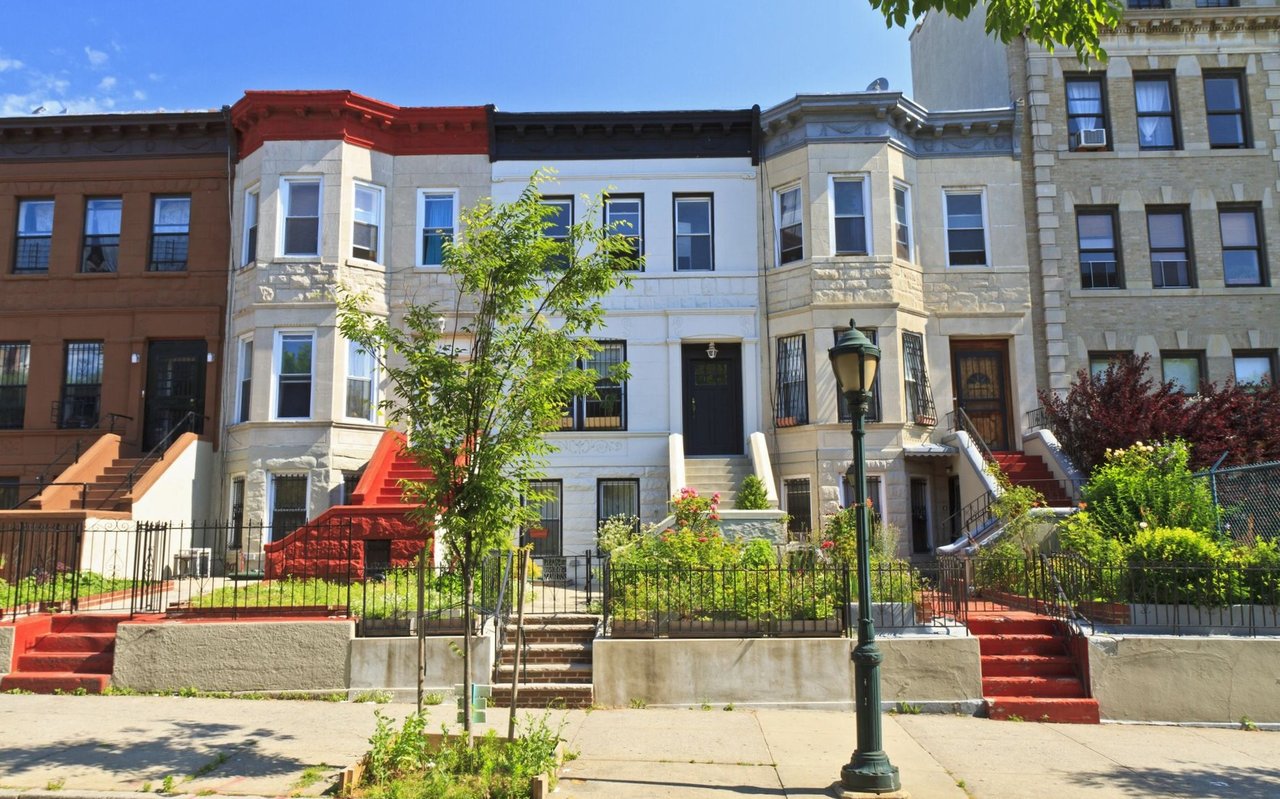
According to NYC Planning’s review of 396-400 Avenue X, the surrounding area includes single- and two-family homes, two- to three-story mixed-use buildings with ground-floor commercial space, and five- to seven-story multifamily buildings. The same record says Avenue X itself includes local retail, apartment buildings, and mixed-use residential and commercial buildings.
That variety is important because the right first purchase for you may look very different depending on your experience, financing plan, and tolerance for management. A two-family house on a quieter interior block is a different ownership experience from a mixed-use building near a busier corridor.
What first-time buyers should focus on
If this is your first small multifamily, Gravesend usually makes the most sense when you narrow your search by property type first, then by block.
Interior-block houses
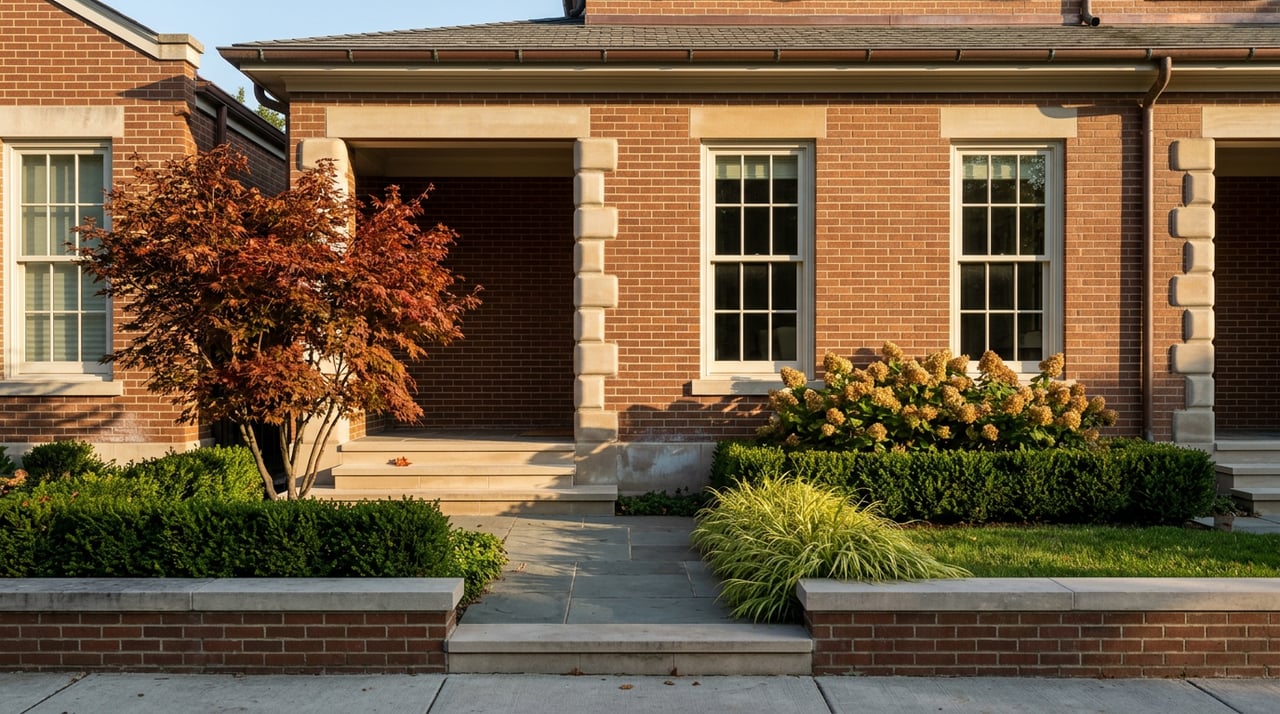
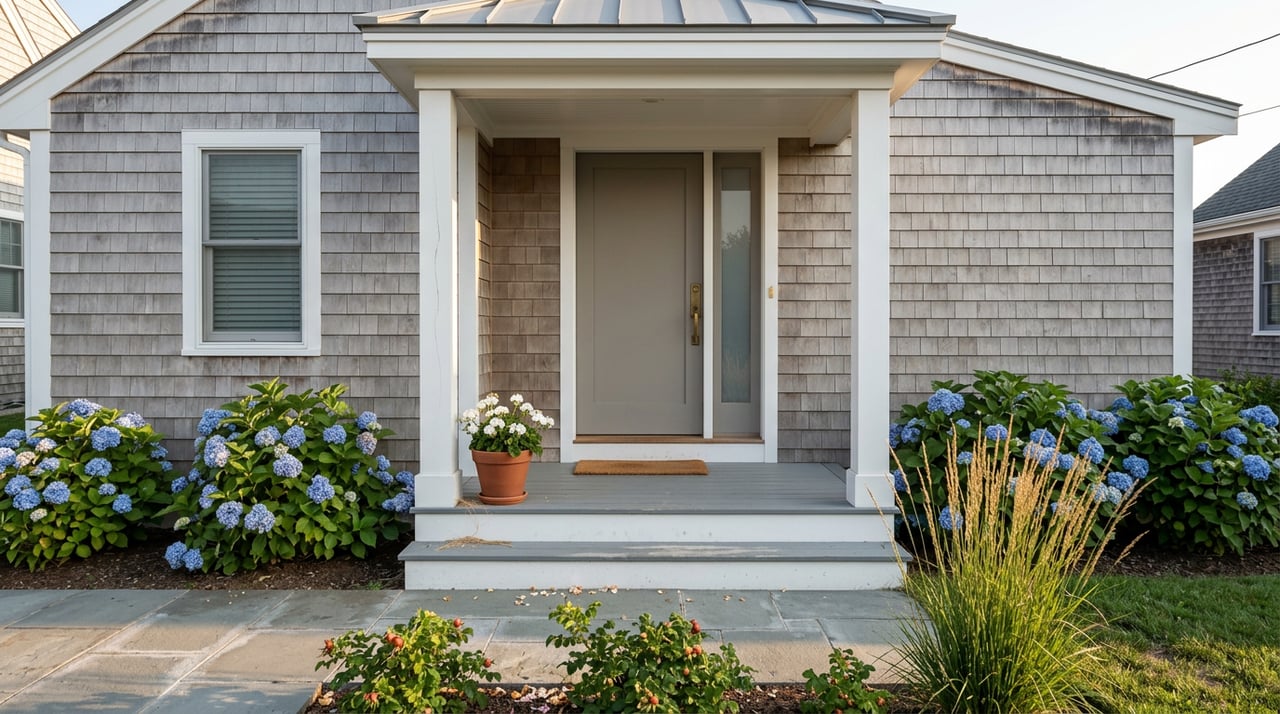
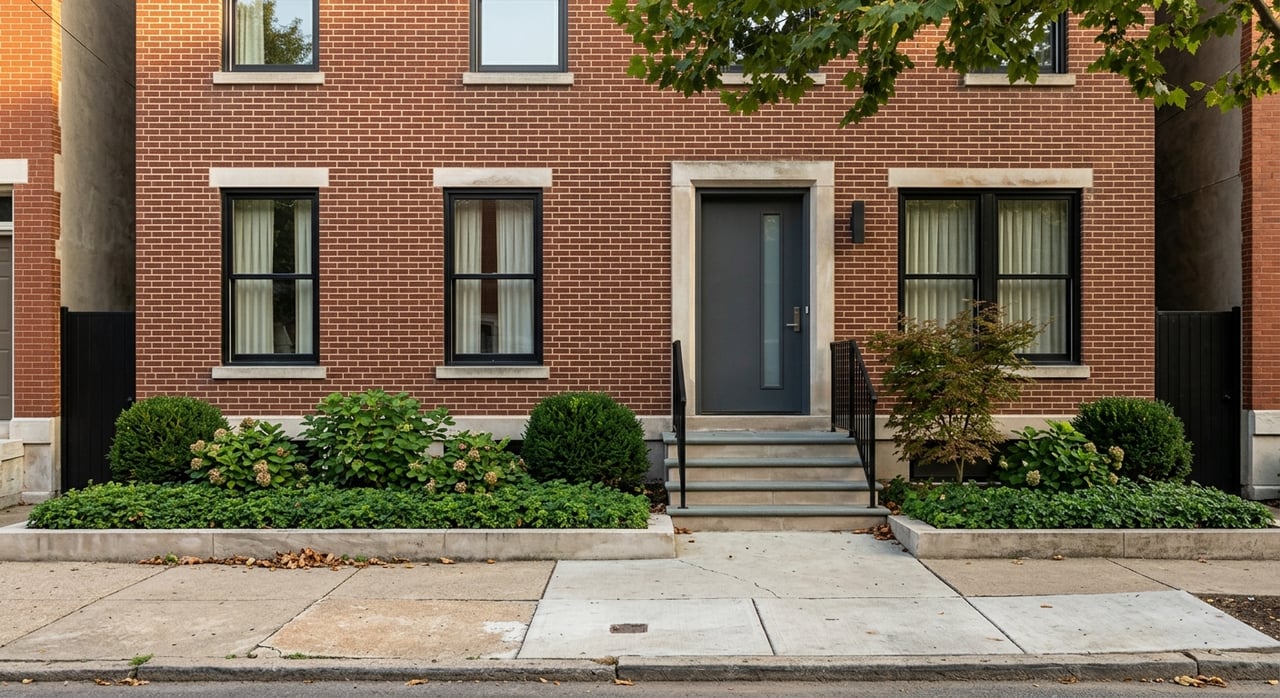
On some blocks, you may find one- and two-family homes that feel more straightforward for a first-time owner-occupant. These can be easier to understand operationally than a larger or more complex building, especially if your goal is to live in one unit and rent the other.
That kind of setup may appeal to you if you want rental income without taking on too many moving parts at once. It can also be a more manageable first step if you are learning the ropes of maintenance, tenant communication, and monthly carrying costs.
Corridor properties
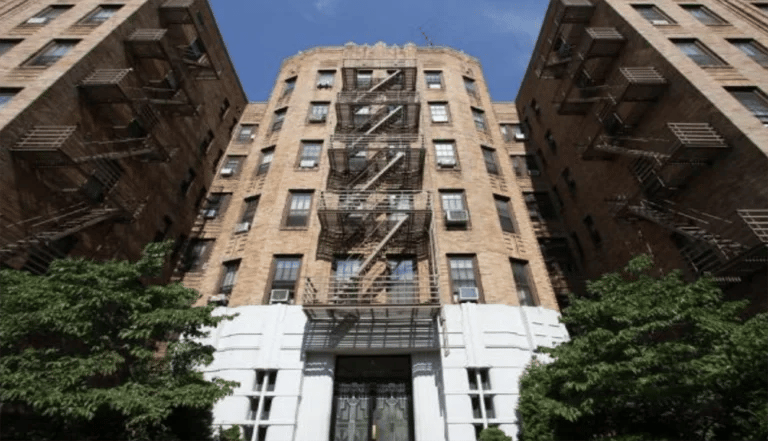
Near corridors like Avenue X, the mix can shift toward apartment buildings and mixed-use properties. These buildings may offer more units or different income possibilities, but they can also come with more complexity.
For a first-time buyer, that means you should not assume every multifamily opportunity in Gravesend works the same way. A property on a commercial corridor may involve a very different lender review, regulatory checklist, and management plan than a house on an interior residential block.
Zoning and block-by-block differences matter
NYC Planning also notes that parts of the area are within the Special Ocean Parkway District. That district was created to preserve the character of one- and two-family homes along Ocean Parkway and to limit the bulk of certain community facilities.
The practical takeaway is simple: two properties that seem close together can have very different redevelopment potential or use constraints. If you are buying your first small multifamily, you do not want to assume future flexibility without checking the exact zoning district, the specific lot, and whether a special district applies.
This is one reason Gravesend can reward careful buyers. The neighborhood has opportunity, but it is not a market where broad assumptions work well.
Transit can shape demand more than you think
Transit access in Gravesend is stronger on some blocks than many buyers expect. NYC Planning’s Avenue X record says the F train at Avenue X is about six blocks west of the site, and the N train at 86th Street is about a half-mile northwest.
That does not mean every address has the same convenience. It does mean your exact location can influence how renters and future buyers see the property.
For a first purchase, access to trains, local retail, and daily services can make a real difference in long-term appeal. When you compare properties, try to think beyond unit count alone and consider how the block functions for everyday living.
Financing: know what fits your plan
Financing can quickly separate a realistic first deal from one that looks better on paper than it will in practice. If you plan to owner-occupy, a one- to four-unit property may open up more financing options than a mixed-use building.
HUD says FHA loans are available on one- to four-unit properties, and FHA’s single-family programs are limited to owner-occupied principal residences while excluding commercial enterprises. For you, that means an owner-occupied two- to four-family may fit that lane, while a true mixed-use property generally calls for a different lender conversation.
This is a big reason many first-time buyers start with a more traditional two- to four-unit building rather than jumping straight into mixed-use. The property may be less complicated not only to manage, but also to finance.
Rent stabilization can change the whole deal
In New York City, rent regulation is not a side issue. It can materially affect your income, obligations, and day-to-day ownership.
The Rent Guidelines Board says rent stabilization generally covers buildings of six or more units built between February 1, 1947 and December 31, 1973, with additional categories for some older or tax-benefit buildings. HCR says owners of rent-stabilized premises must file initial registrations within 90 days of a building becoming subject to stabilization and annual registrations each year.
For a first-time buyer, the key question is not just whether a building is advertised as stabilized or not. You also want to understand lease history, registration status, and whether the seller’s records match the building’s legal and regulatory reality.
That is especially important with older properties, buildings that may have had tax benefits, or properties with mixed-use history. If the paperwork is messy, the ownership experience can get complicated fast.
Due diligence is where Gravesend deals are won or lost
Older Brooklyn properties can be full of character, but they can also come with surprises. In Gravesend, careful due diligence matters because the housing stock is varied, and the street view does not always tell the whole story.
The NYC Department of Buildings says its Building Information System lets buyers review complaints, violations, actions, applications, inspections, and certificate-of-occupancy information for a property. DOB also states that open violations can prevent a sale or refinance and must be corrected before new or amended occupancy documents are issued.
That means you should look closely at whether the property is legally configured the way it is being marketed. A building that appears to be a simple multifamily may have unresolved permits, open violations, or alteration issues that affect financing, insurance, or resale.
A practical due diligence checklist
Before you move forward on a small multifamily in Gravesend, make sure you review:
- Legal property configuration
- Certificate of occupancy, if applicable
- DOB complaints and violations
- Permit and alteration history
- Lease history and registration status if units may be regulated
- Whether the building includes any commercial component
- Flood risk and insurance considerations
A clean-looking deal is not always a clean deal. In this neighborhood, the file matters just as much as the facade.
Flood risk deserves a separate review
Flood exposure is another issue you should not gloss over. NYC’s Coney Island Creek Resiliency Study explicitly covers Gravesend and Coney Island as part of a long-term strategy to protect life, property, and livelihoods from storm surge and sea-level rise.
The city’s flood resources also tell residents to determine flood risk and review insurance options. For you as a first-time buyer, that means flood exposure should be part of your early screening, not something you look at after you fall in love with a property.
Flood-related costs can affect monthly ownership expenses and long-term planning. Even if two properties are priced similarly, their risk profile may be very different.
Is Gravesend a good first small multifamily market?
Gravesend can be a solid market for your first small multifamily if you go in with a practical mindset. The neighborhood offers an established residential base, useful local amenities, active retail corridors, and better transit access on some blocks than outsiders often assume.
At the same time, Gravesend is not a plug-and-play market. Building types vary, zoning can change from block to block, financing may depend heavily on whether a property is owner-occupied or mixed-use, and due diligence around rent regulation, DOB history, and flood exposure is essential.
If you want the simplest version of the answer, it is this: Gravesend may be right for your first small multifamily if you buy the right property on the right block for the right ownership plan. That is exactly where local, hands-on guidance can make a real difference.
If you are weighing properties in Gravesend and want help comparing building types, reviewing neighborhood fit, or narrowing down a realistic first purchase, Ameer Hamdan can help you approach the search with clarity and confidence.
FAQs
Is Gravesend a good neighborhood for a first small multifamily purchase?
- Gravesend can be a good fit if you want an established Brooklyn neighborhood with a residential base, local amenities, and varied property types, but the best choice depends on the exact block and building.
What types of multifamily properties can you find in Gravesend?
- Gravesend includes everything from one- and two-family houses to small apartment buildings and mixed-use properties near corridors like Avenue X.
Can you use FHA financing for a Gravesend multifamily property?
- FHA may work for an owner-occupied one- to four-unit property, but a true mixed-use building generally requires a different lender review.
Do you need to check rent stabilization before buying in Gravesend?
- Yes, especially for older buildings or properties with a more complex history, because rent regulation, registrations, and lease records can affect ownership and income.
Why is building history important for Gravesend buyers?
- Building history matters because DOB records can reveal complaints, violations, permit issues, inspections, and occupancy details that may affect financing, closing, or future resale.
Should you check flood risk for a Gravesend multifamily property?
- Yes, because Gravesend is included in city resiliency planning tied to storm surge and sea-level rise, so flood exposure and insurance should be part of your review.