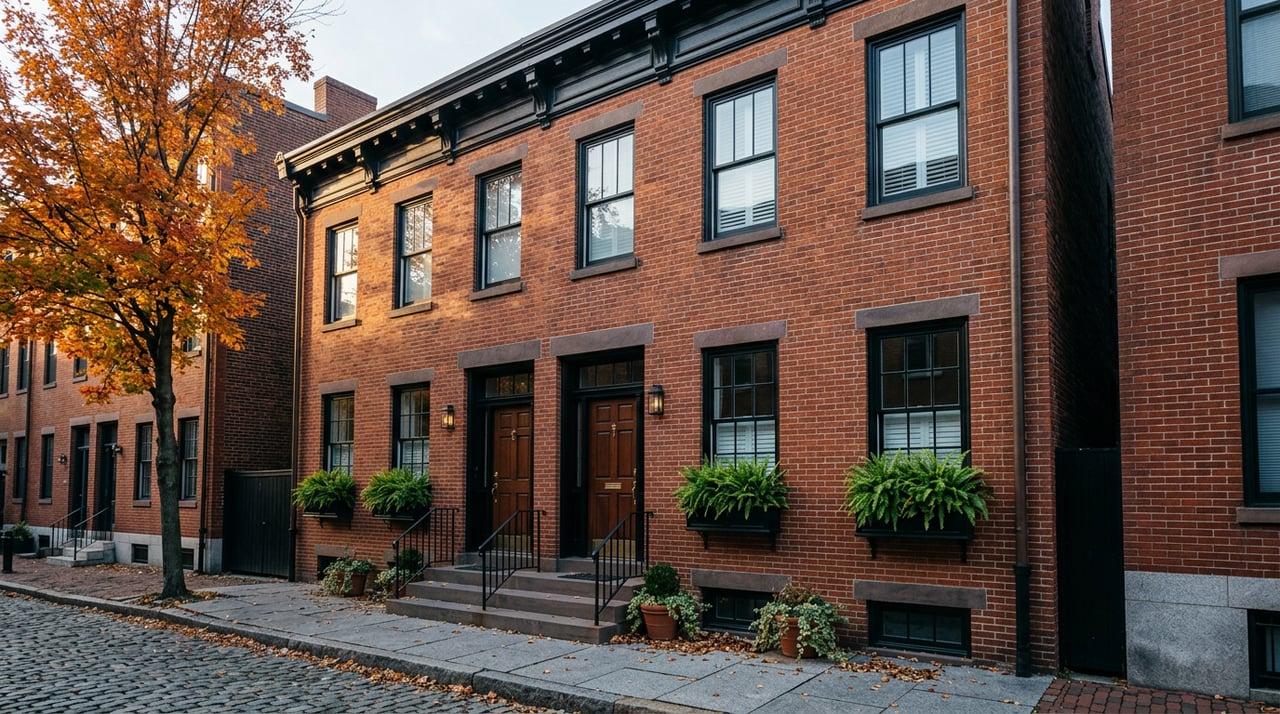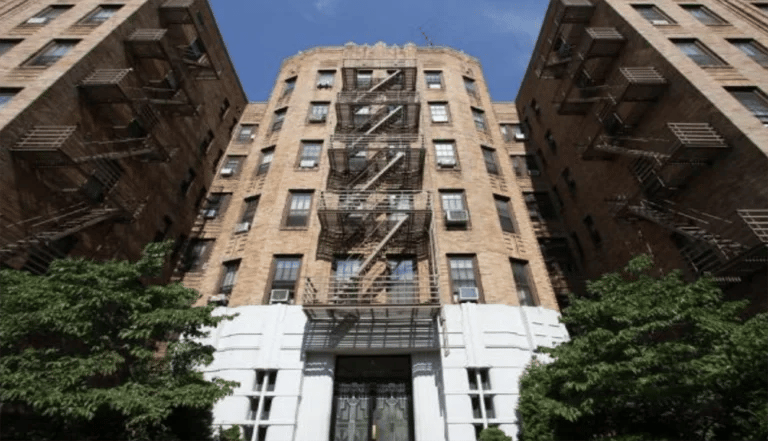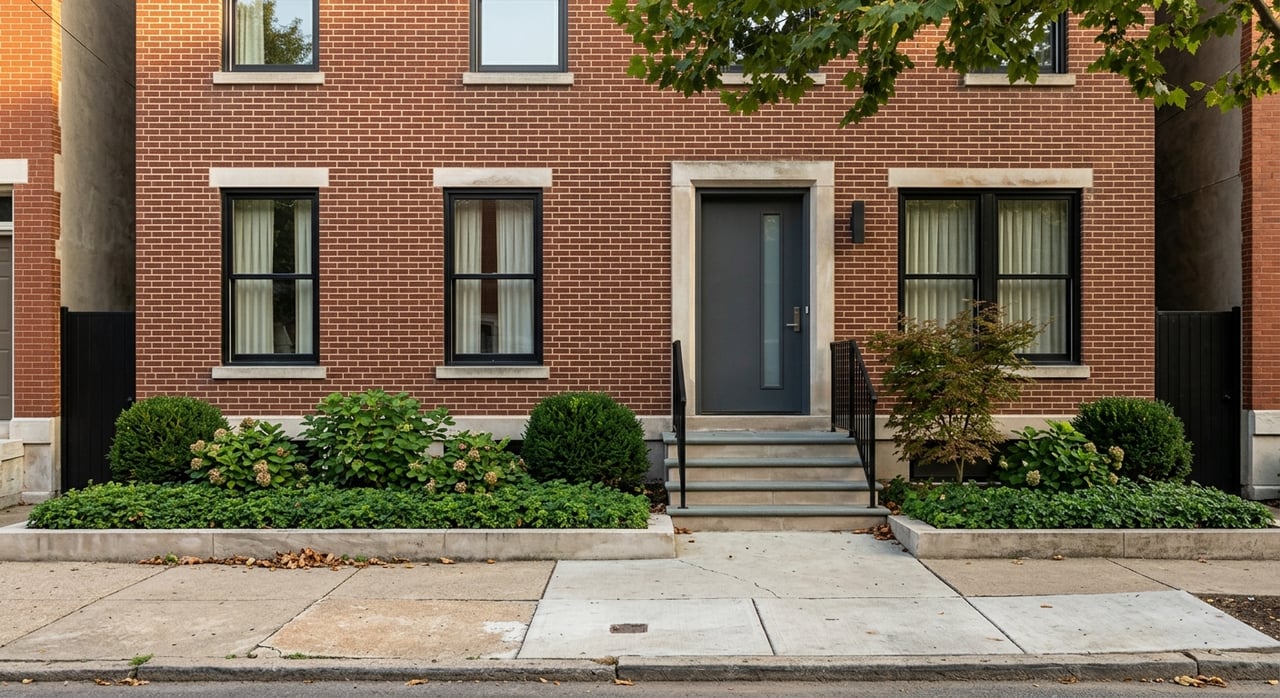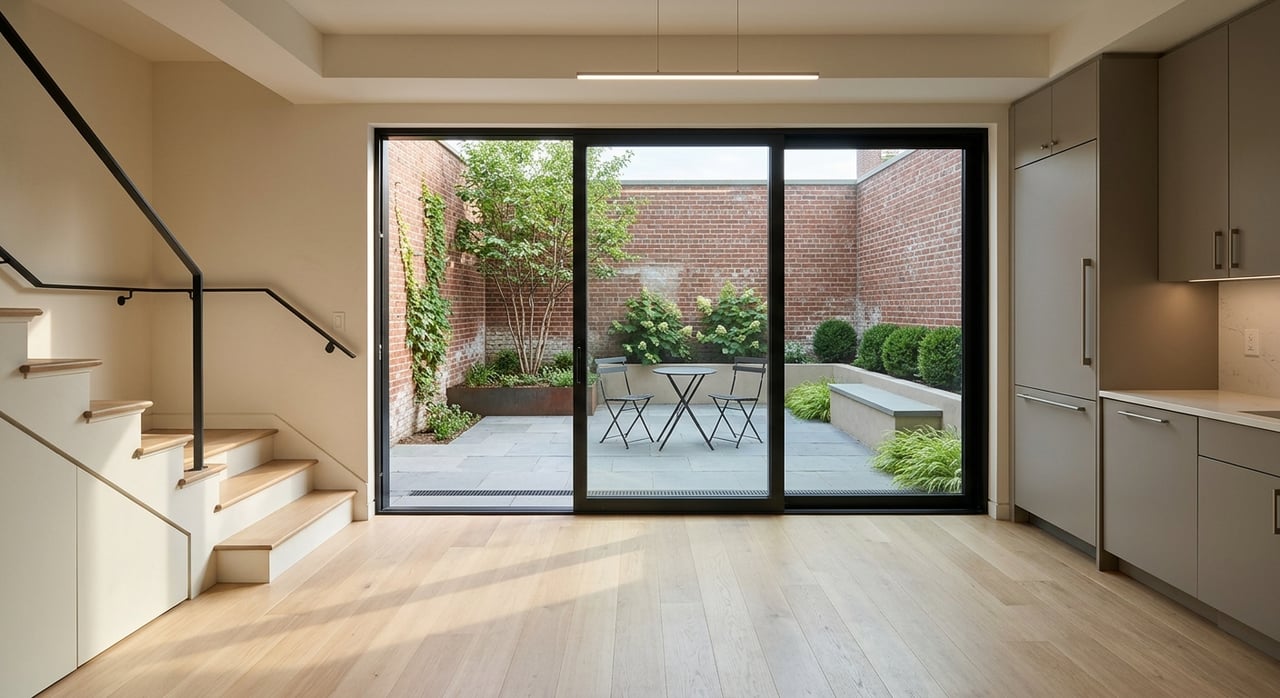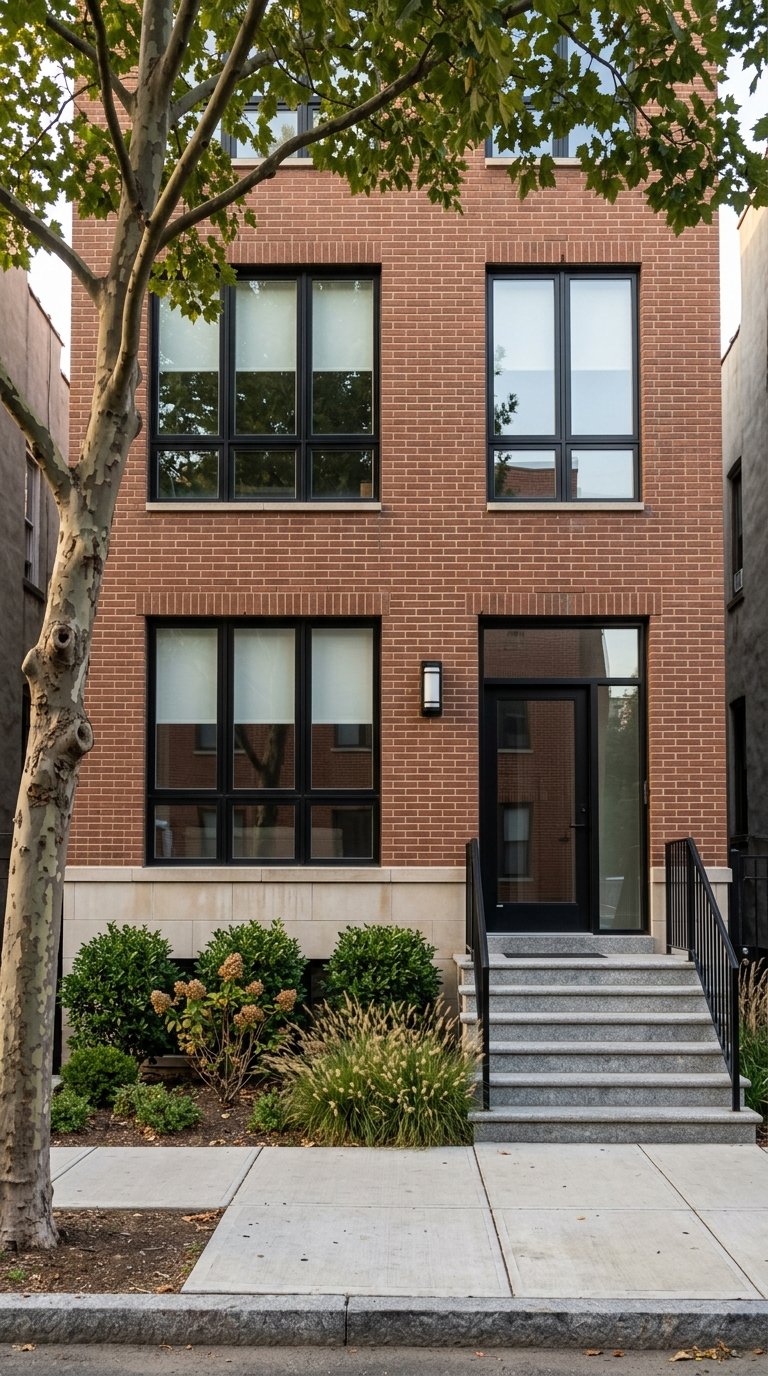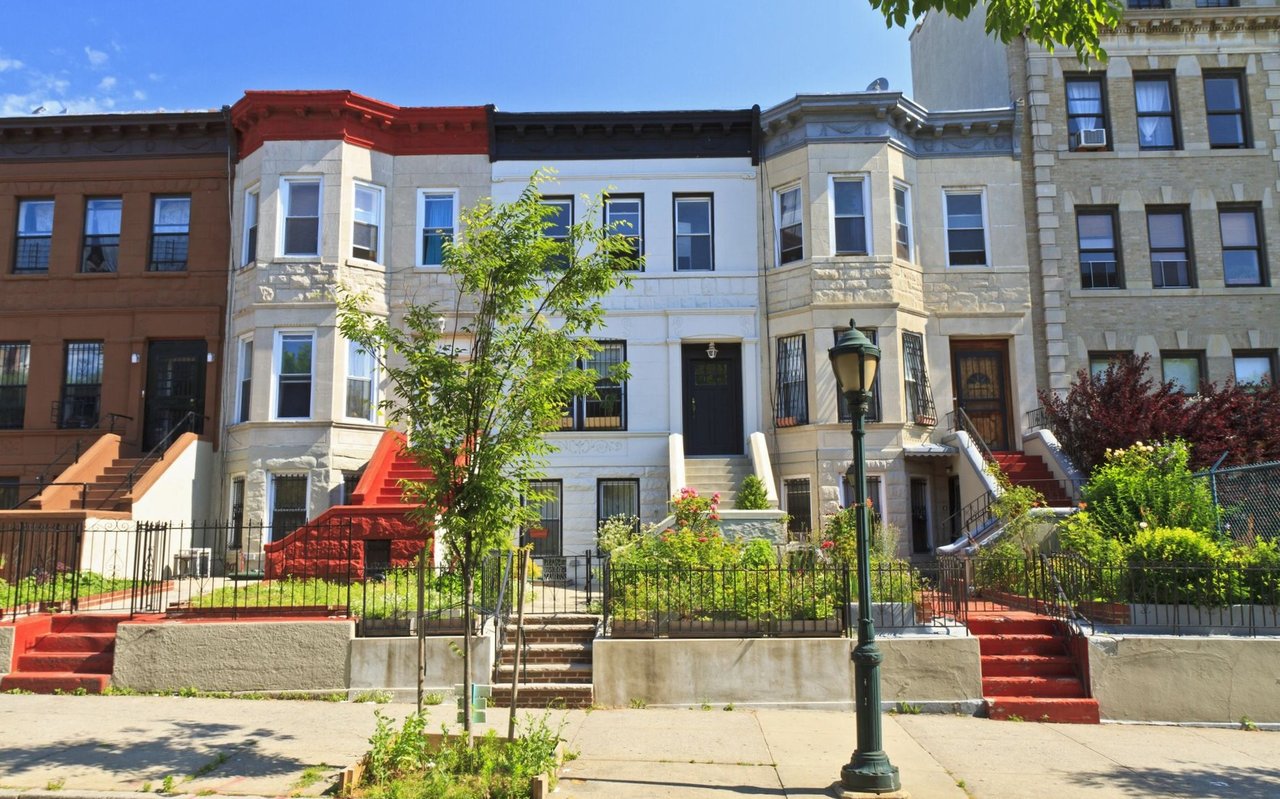
Suppose you're looking at a Bensonhurst two-family with a basement apartment that already has a tenant. What is that rent worth to you as a buyer? The city has a pilot program built to bring units like this into legal use, and Brooklyn Community District 11 is one of the few districts it covers. As of the Department of Buildings' most recent update, though, nobody can apply to it.
That gap matters most to buyers of two-family houses. The building code treats a basement unit in a two-family very differently from one in a one-family. For a two-family, the pilot is the only route that avoids the full requirements of a three-family building. Until that route opens, the basement rent on a listing describes an application that can't be filed yet. It doesn't describe a legal income stream.
A Pilot That Hasn't Opened
Local Law 126 of 2024 set up a program to legalize certain basement and cellar apartments that were already occupied. Owners get ten years to bring them up to code in phases. The program covers only specific areas: Bronx Community Districts 9, 10, 11 and 12; Brooklyn Community Districts 4, 10, 11 and 17; Manhattan Community Districts 2, 3, 9, 10, 11 and 12; and Queens Community District 2. Brooklyn Community Districts 13 and 15 are not on the list.
When the state set the boundaries in 2024, Gothamist reported that the pilot covered 15 of the city's 59 community districts. Sylvia Morse of Pratt Center said the limits were not based on sound planning principles. No published source explains why CD11 in particular was included. The law simply lists it.
Getting into the district list didn't open the program. DOB's ADU page, last revised April 9, 2026, says pilot applications "are not currently being accepted until DOB Rules are promulgated." The city's rules site still lists the temporary-residence rule as "Proposed." A public hearing on it was held December 11, 2025. When the proposed rules came out in November 2025, the city said DOB would accept applications only after the final rules take effect. No opening date has been announced since.
Why the Two-Family Makes the Difference
The house type matters because there are two legal routes, and they sort houses differently.
The ordinary route comes from Local Law 127 and the City of Yes for Housing Opportunity zoning changes, adopted December 5, 2024. It lets owners add one ancillary dwelling unit to a one- or two-family home where zoning and code allow. DOB started accepting those filings in DOB NOW on September 30, 2025. That route is open today, everywhere it applies.
There's a catch for two-family owners. Under DOB's rules, a two-family that adds an attic, basement, cellar or attached ADU "will be treated as a three-family building subject to the NYS Multiple Dwelling Law," unless a fire wall separates the unit. The pilot replaces that requirement with something else. A two-family with an existing basement unit enrolled in the pilot follows Building Code Appendix U plus additional fire and safety rules, "in lieu of the MDL."
| Situation | Rules that apply | Can you file today? |
|---|---|---|
| New ADU in a one-family home | Local Law 127 ADU requirements | Yes, through DOB NOW |
| New basement or attached ADU in a two-family home | Treated as a three-family under the Multiple Dwelling Law, unless separated by a fire wall | Yes, through DOB NOW |
| Existing occupied basement unit in a CD11 two-family, enrolled in the pilot | Appendix U and added fire and safety rules instead of the MDL | No, pending final DOB rules |
That last row describes the typical Bensonhurst listing with basement rent, and it's the one route that's closed. A 2025 review of the city's earlier East New York basement pilot by the Citizens Housing & Planning Council found what made conversions hard. The Multiple Dwelling Law and accessibility mandates added high cost and complexity, and some egress requirements could be physically impossible to meet. Appendix U exists to give two-family owners a way around those problems. Right now they can't use it.
Outside the pilot, DOB says basement or cellar ADUs are possible in one-family homes under the applicable code. A below-grade ADU in a two-family brings in R-2 and Multiple Dwelling Law requirements. So in Gravesend's CD13 and CD15, a two-family owner has no lighter route to wait for. In CD11 the lighter route exists in law but isn't accepting applications.
The Conditions That Apply When It Opens
The pilot will still have limits once it opens. Based on DOB's current description, an existing basement or cellar unit has to meet all of these to enter:
- The unit is in a one- or two-family building inside the program area, which for Bensonhurst means CD11.
- The unit existed and was occupied before April 20, 2024.
- The owner applies before April 20, 2029.
- The owner receives an Authorization for Temporary Residence, or ATR, which is required for the unit to stay occupied.
- The owner meets each milestone on a phased ten-year compliance schedule that starts from the initial ATR, updating the ATR after each one.
There's also a location rule. Subgrade units can't be in FEMA's Special Flood Hazard Area, the Coastal Flood Risk Area or DEP's 10-Year Rainfall Flood Risk Area. At Community Board 11's January 9, 2025 meeting, the City of Yes update shared with members included the same bar on basement ADUs in those mapped areas. Whether a particular block qualifies is a mapping question for each address. Being in CD11 doesn't settle it.
The pre-2024 occupancy requirement shapes the market too. The pilot is for units that already existed. A buyer who plans to finish a basement after closing and rent it out would be working under the ordinary ADU rules, not the pilot.
What the Space Has to Meet
Even a unit that qualifies will need to meet physical standards. For ordinary ADUs, DOB lists a seven-foot minimum ceiling height in habitable rooms and a cellar ceiling at least two feet above grade. It also requires emergency escape openings, one-hour fire separation for subgrade ADUs and sprinklers in most ADUs. The general rules allow one ADU per one- or two-family residence, with a maximum of 800 square feet of zoning floor area, a separate entrance, and an owner living on the zoning lot as a primary residence when the ADU is first occupied.
Parking is no longer a requirement. The adopted City of Yes rules remove ADUs from parking mandates, including in places where other parking requirements still apply. On a typical Bensonhurst lot, the hard questions are ceiling height, ways out of the unit and fire separation.
Under the pilot, these standards are phased in over the ten years instead of required on day one. That's why the paused rule matters so much to anyone with a tenant already living downstairs.
Where the Financing Stands
According to HPD, the Plus One ADU program offers loans or construction-financing grants plus technical support. Its posted eligibility includes owner-occupancy, income up to 165% of area median income with preference at or below 120%, and a detached or semi-detached home with one or two units. Many Bensonhurst two-families are attached row houses, so the detached or semi-detached requirement rules them out before income is even considered.
Interest in the program has been high, but few loans have reached closing. THE CITY reported on March 18, 2026 that the first application round drew about 2,800 homeowners, mostly in Queens, Staten Island and The Bronx, and that about a quarter were found eligible to apply for financing. The program offers up to $395,000 in loans, and the city had not yet closed any of them. HPD closed its 2026 intake on June 12, 2026 and says it is still reviewing thousands of survey responses.
What Remains Undecided
The final pilot rules could look different from the draft. In December 2025, housing advocates and CHPC criticized the proposed version, the Brooklyn Eagle and THE CITY reported. Their objections included a requirement that a unit already have a kitchen with a window, a sink with running water and gas or electric service, the risk of enforcement against owners who come forward, and the lack of a clear way to exit the program without penalty. These are criticisms of a proposal. They aren't final requirements, and DOB hasn't published a revised version.
Count data doesn't exist either. Comptroller Brad Lander's 2022 report estimated about 30,395 illegal basement or cellar apartments in the eight community districts Pratt Center flagged, and CD11 wasn't one of them. Nobody has published a count for Bensonhurst itself.
For a buyer, that leaves a few concrete questions about any two-family with a basement unit. When was the unit first occupied? Does the address fall in a mapped flood-risk area? Can the space meet the ceiling, egress and fire-separation standards over time? And would you still be comfortable with the purchase price if the pilot opens later than expected or under stricter rules than the draft?
Quick Answers
Does a one-family house in Bensonhurst have to wait for the pilot? Not necessarily. DOB says basement and cellar ADUs in one-family homes can go through the regular code route, and it now accepts applications for one-family homes built with a cellar ADU.
Does the April 2029 deadline start a countdown now? The deadline is set in law, but applications can't be filed until DOB finalizes its rules. Every month the rule stays in draft cuts into that window.
Is Gravesend covered? Brooklyn Community Districts 13 and 15 aren't in the pilot area. Any address should be checked against its community district.
None of this is legal advice. A licensed architect or attorney can confirm what applies to a specific property.
If you're weighing a Bensonhurst two-family with a basement unit, or thinking about selling one, the GAMA Team can go through the listing, the unit's history and the pilot's current status with you before you set a price or make an offer. Get Started Today.