Selling your Grasmere home can feel exciting and stressful at the same time. You want a strong price, a smooth process, and fewer surprises along the way. The good news is that confidence usually comes from preparation, local pricing, and knowing what to expect before your home hits the market. Let’s dive in.
Know the Grasmere market
If you are selling in Grasmere, it helps to look at nearby 10304 data as a practical benchmark for many local properties. Over the last three months, the median sale price in 10304 was $768,772, up 20.8% year over year, with a median 67 days on market and a 95.6% sale-to-list ratio.
That tells you something important. Buyers are active, but they are also paying attention to price and condition. With 27.9% of homes seeing price drops in the same period, the market rewards sellers who come out with a smart plan from day one.
Staten Island overall shows a similar pattern, with a $760,000 median sale price and 48 days on market. In other words, you should not assume your home will sell in a weekend just because demand exists. A confident sale usually comes from realistic expectations and strong execution.
Price with strategy
Pricing is one of the biggest decisions you will make. In the 10304 market, recent sold examples ranged from about 11% under list price to 1% over list price, which shows how much the final result can shift based on presentation, condition, and pricing.
That is why asking prices alone do not tell the full story. A home can look impressive online with a bold list price, but sold data gives a much clearer picture of what buyers have actually been willing to pay.
A strong pricing strategy should consider:
- Recent sold homes near Grasmere and in ZIP 10304
- Your home’s condition and updates
- Property type, including whether it is a house, condo, or co-op
- How long similar homes are taking to sell
- Whether nearby listings needed price reductions
If your home may land near the $1 million mark, pricing deserves even more attention. In New York, buyers generally pay a 1% mansion tax on sale prices at $1 million or more, which can affect affordability and offer behavior even though it is not a seller-paid tax.
Prepare your home before listing
Confidence grows when your home is ready before the first buyer walks in. In a market where buyers are comparing value closely, visible condition matters.
A practical prep plan starts with the basics. Declutter, deep clean, and handle obvious repairs first. These steps can help your home feel more cared for and easier to picture as move-in ready.
Staging and listing media can also make a real difference. In the 2025 Profile of Home Staging, 29% of agents said staging led to a 1% to 10% increase in the dollar value offered, and 49% said staging reduced time on market.
That same report found that 83% of buyers’ agents said staging made it easier for buyers to visualize the home as a future home. It also found that photos, traditional staging, videos, and virtual tours were highly important to buyers.
Focus on the rooms buyers notice most
Not every room carries the same weight in a buyer’s mind. The staging report found that buyers cared most about the living room, primary bedroom, and kitchen.
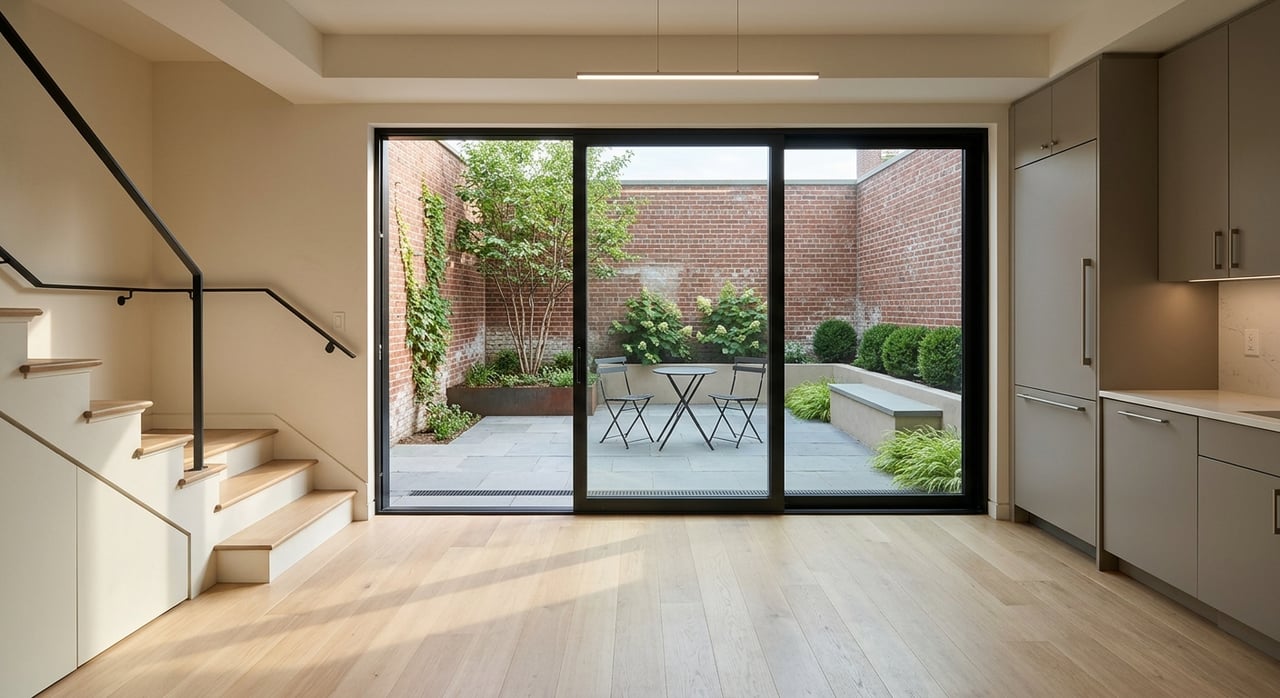
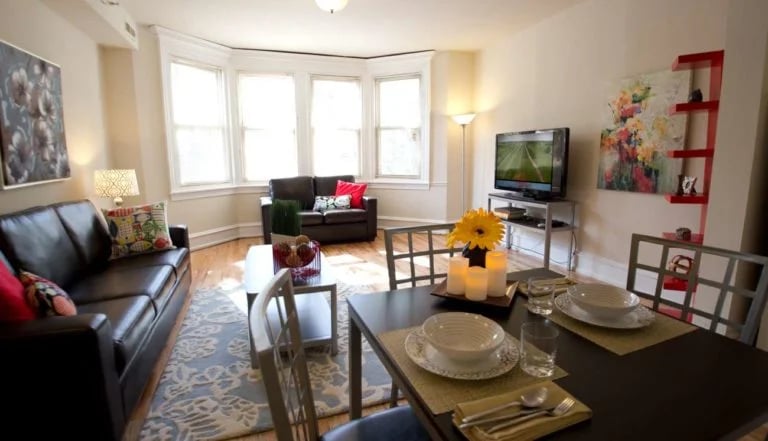
If you want to prioritize your time and budget, start there. Clean surfaces, better lighting, simple furniture placement, and a more open feel can help those spaces stand out both online and in person.
Improve curb appeal early
First impressions start before the showing begins. Buyers often form opinions from listing photos and from the first few seconds outside the property.
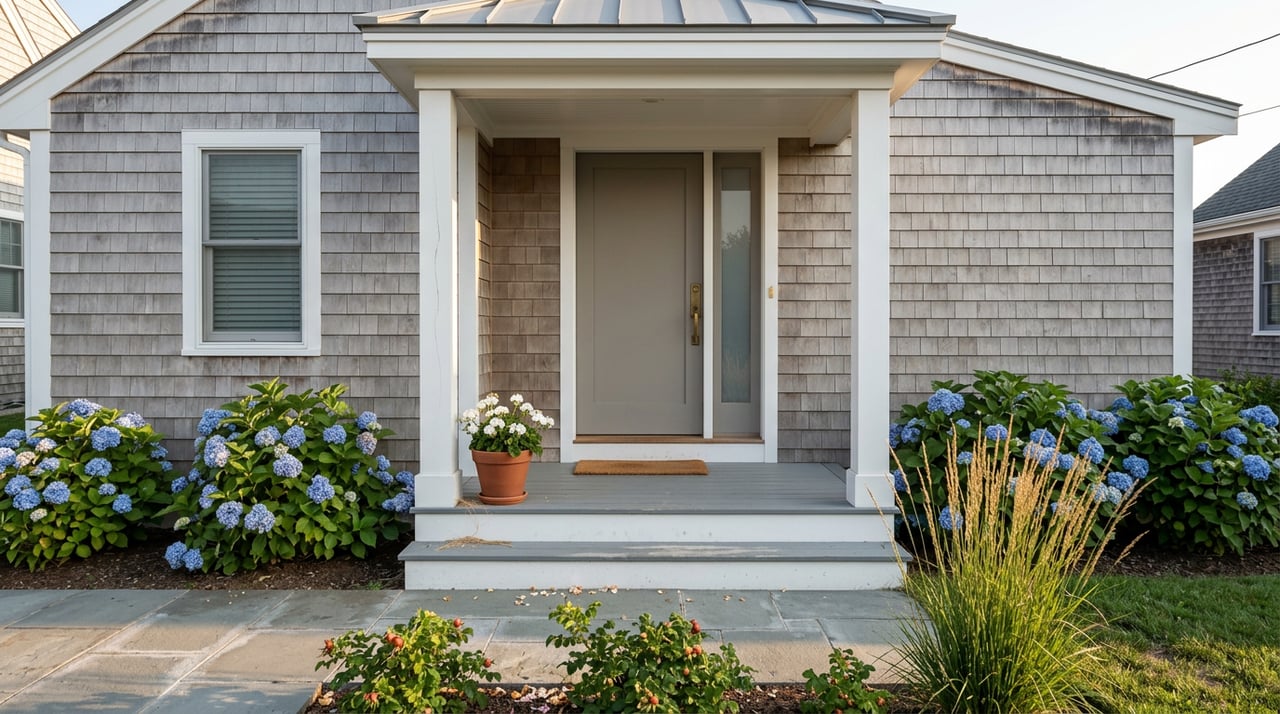
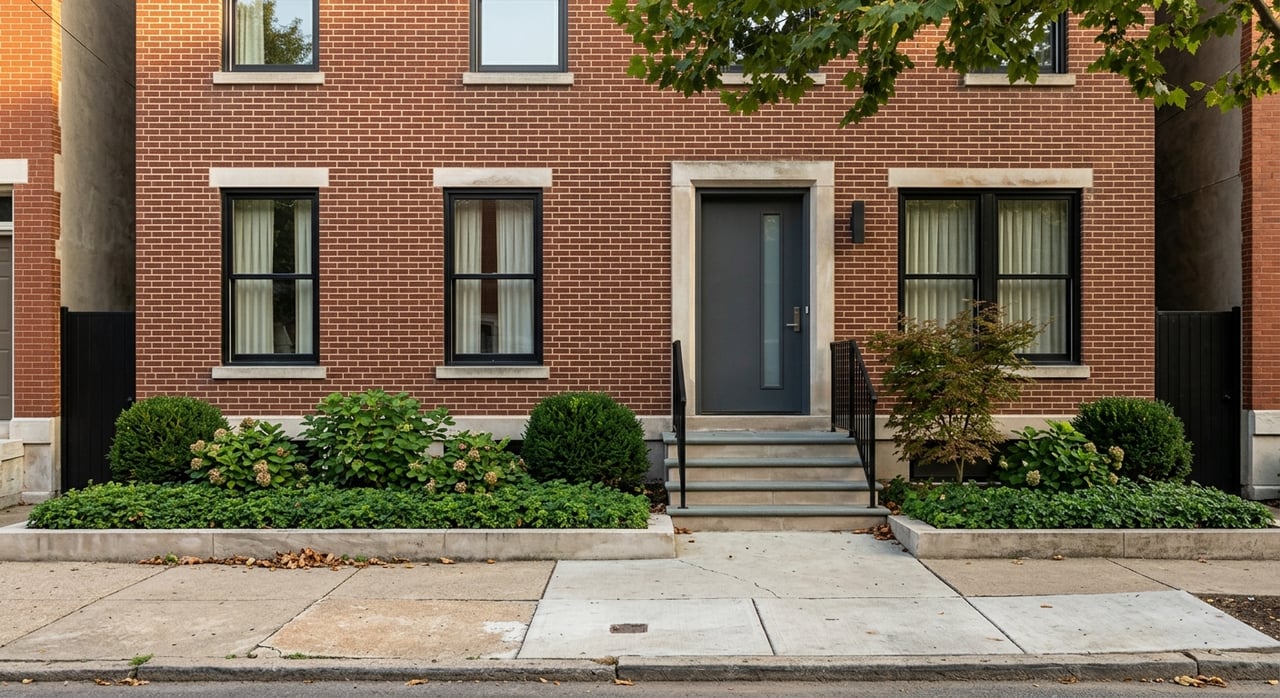
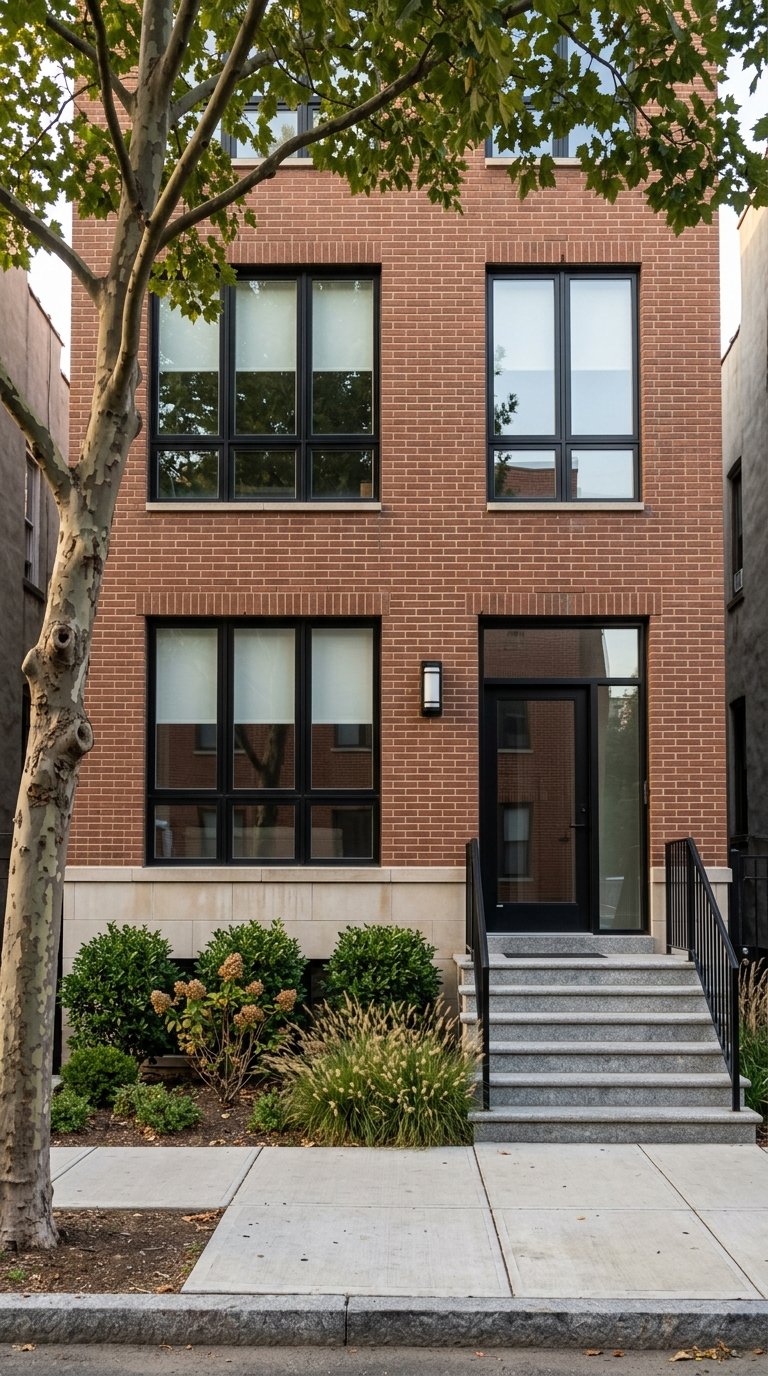
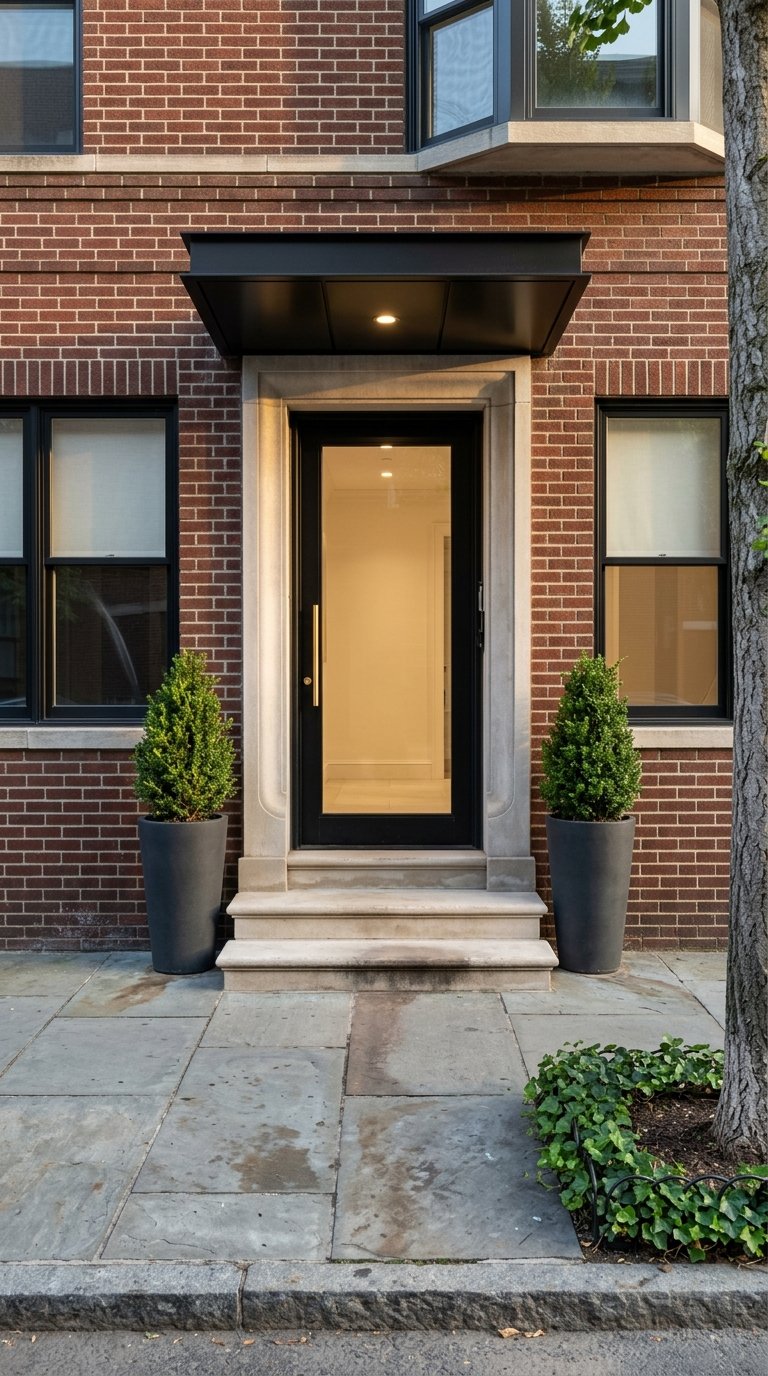
Basic curb appeal work can go a long way. Tidying the entrance, clearing walkways, trimming landscaping, and making sure the exterior looks cared for can support a stronger first impression.
Treat showings like part of marketing
Your showing schedule is not just a formality. It is part of the full marketing campaign.
Because buyers respond strongly to polished presentation and strong visuals, your home should feel ready both online and in person before the first showing begins. That means clean spaces, good lighting, and consistent presentation every time someone visits.
It also helps to stay flexible when possible. In a market where homes may take time to sell, making it easier for qualified buyers to see the property can support momentum.
Expect negotiation, not just offers
One of the best ways to sell with confidence is to expect negotiation as a normal part of the process. In nearby 10304, homes averaged 95.6% of list price and took 67 days to sell, which suggests a measured response is more realistic than expecting immediate full-price acceptance.
That does not mean you should undersell your home. It means you should be ready to evaluate the full picture of an offer, including price, timing, contingencies, and how serious the buyer appears.
A calm, informed approach can help you avoid reacting emotionally. The goal is not just to accept the first offer. The goal is to choose the offer that best supports your timeline, your priorities, and your net result.
Understand New York disclosure rules
Seller confidence also comes from understanding your responsibilities. In New York, the Property Condition Disclosure Act requires most sellers of residential real property to deliver a Property Condition Disclosure Statement before the buyer signs a binding contract of sale.
The law also says the disclosure statement is not a warranty. Buyers are encouraged to obtain independent inspections and environmental tests, and as-is sales are still allowed.
There are important exceptions. Condos and co-ops are excluded from the statutory definition of residential real property under this law.
Keep disclosures current
Transparency matters throughout the transaction, not just at the beginning. If you later learn information that makes your disclosure materially inaccurate, the law says you must deliver a revised statement as soon as practicable, unless title has already transferred or the buyer has occupied the property.
For you as a seller, the practical takeaway is simple. Being upfront early and keeping information current can help reduce friction later.
Factor in flood-zone questions
For many Staten Island sellers, flood risk is part of due diligence. NYC says homeowners can determine flood risk through FEMA’s coastal site, FloodHelpNY, or by reviewing maps at the borough Department of Buildings office.
NYC311 also notes that flood insurance is not included in regular homeowners insurance. It is required if a property is in the FEMA-defined floodplain and has a federally backed mortgage.
This does not affect every Grasmere property in the same way, but it is worth checking early. If flood-zone questions come up during the sale, having clear information ready can help keep the process moving.
Know your closing basics
Closing confidence often comes from understanding the final steps before you get there. In New York State, a real estate transfer tax applies when consideration exceeds $500, at $2 for each $500 of consideration.
In New York City, Form TP-584-NYC is filed for all conveyances, and the filing and payment deadline is generally no later than the 15th day after delivery of the deed or conveyance document. The base tax and additional base tax are generally paid by the seller or grantor, while the buyer generally pays the mansion tax when applicable.
You do not need to memorize every form to sell well. You do need to know that transfer taxes, filing timing, and updated disclosures are part of the process so they do not catch you off guard.
Build confidence with the right plan
Selling your Grasmere home with confidence is not about guessing what the market will do next. It is about controlling what you can control: pricing carefully, preparing the home well, presenting it professionally, and staying informed from listing to closing.
In a market where buyers are engaged but price-sensitive, those details matter. A thoughtful, hands-on approach can help you protect your value and move forward with less stress.
If you are thinking about selling in Grasmere, Ameer Hamdan can help you build a clear plan around pricing, marketing, and the next steps for your home.
FAQs
What does the Grasmere housing market look like for sellers?
- Nearby 10304 data shows a median sale price of $768,772 over the last three months, a median 67 days on market, and a 95.6% sale-to-list ratio, which suggests buyers are active but careful on price.
How should a Grasmere seller price a home?
- A Grasmere seller should use recent sold data, property condition, and current local competition rather than relying only on asking prices, especially since many nearby homes have sold below list or needed price reductions.
What home improvements matter most before selling in Grasmere?
- Decluttering, deep cleaning, handling obvious repairs, improving curb appeal, and making key spaces like the living room, primary bedroom, and kitchen look their best are smart first steps.
Do New York home sellers need a property disclosure statement?
- Most New York sellers of residential real property must provide a Property Condition Disclosure Statement before the buyer signs a binding contract of sale, though condos and co-ops are excluded from that statutory definition.
Should Grasmere sellers check flood-zone information before listing?
- Yes, checking flood risk early can be helpful in Staten Island because flood-zone questions and possible flood insurance requirements may affect buyer due diligence.
What taxes and paperwork should a New York City seller expect at closing?
- New York City sellers should expect transfer-tax paperwork and timing requirements, including Form TP-584-NYC for conveyances, and should also keep any required disclosure information current through closing.