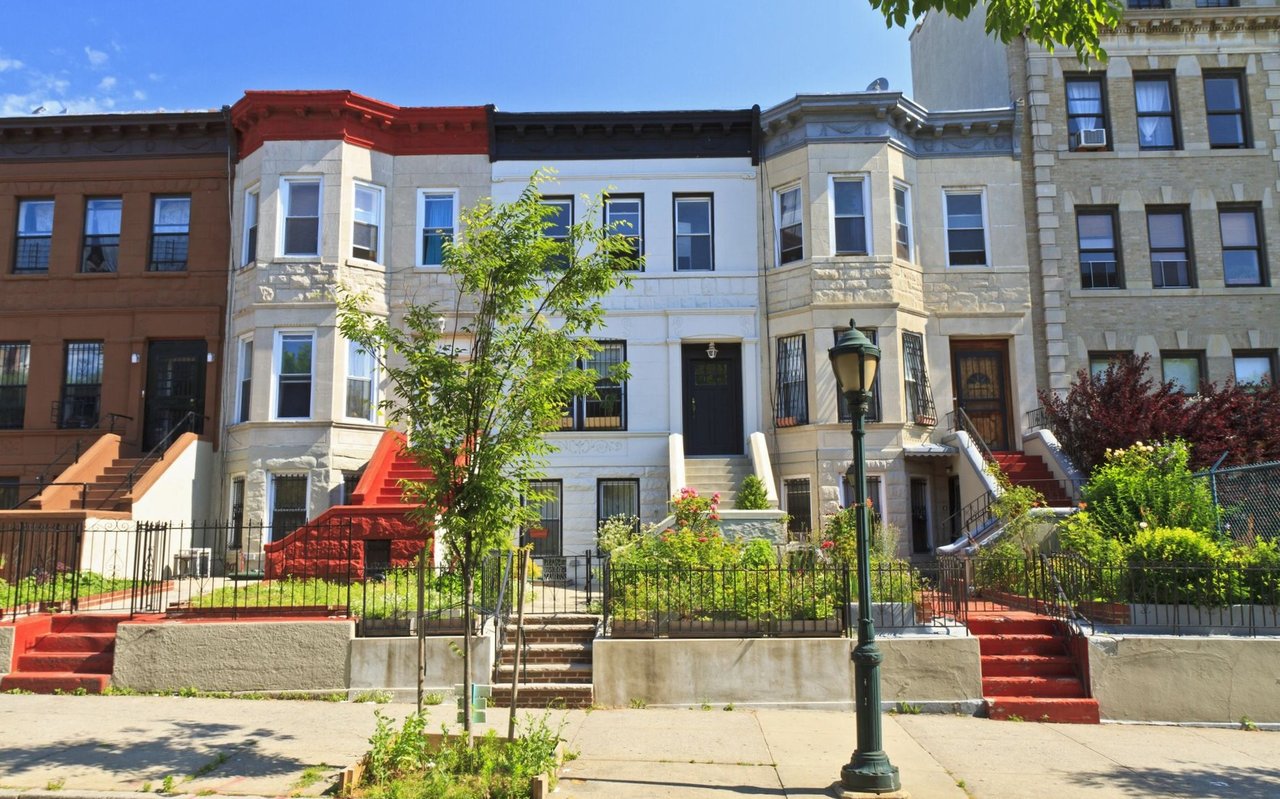
Every December, buses idle along 84th and 86th Streets while visitors from Manhattan and beyond file past the reindeer displays and animatronic Santas that make Dyker Heights famous for about six weeks a year. It is the version of this neighborhood most people know: hot chocolate vendors, camera phones, a line of double-parked cars waiting for a spot near 12th Avenue.
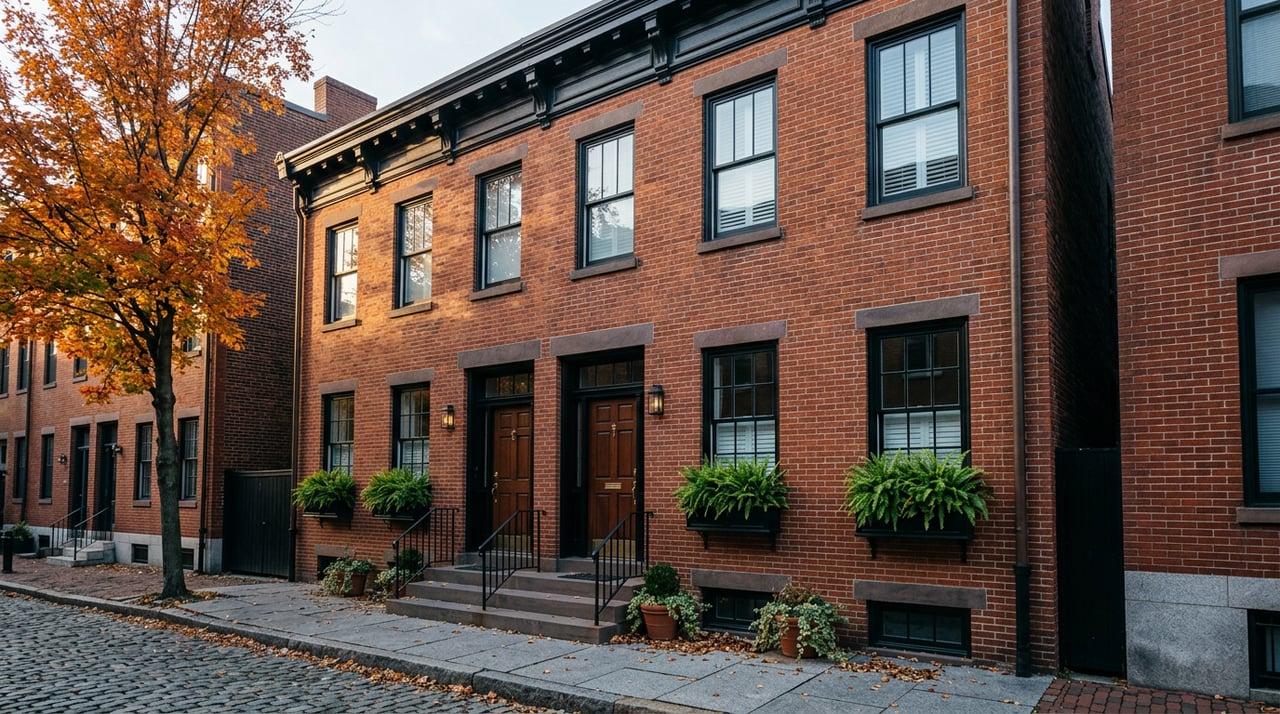
That is not the neighborhood that residents actually live in for the other ten months. Right now, in late September, a different calendar is running. A golfer is teeing off on a course that opened before the lights tradition existed. A dog walker is cutting past the bocce courts on a path that has nothing to do with holiday tourism. And earlier this month, inside a parish hall on 80th Street, a civic association older than almost every house on the block held its first meeting since June.
The thesis here is simple: Dyker Heights runs on two separate clocks, and the one that gets photographed is not the one that defines the place for the people who live here.
The Park Predates the Spectacle by Nearly a Century
Walter L. Johnson began developing Dyker Heights as a suburban enclave in 1895, laying out the tree-lined blocks that still define the neighborhood's character. Two years later, in 1897, the land just south of what is now 86th Street became a golf course, designed by Tom Bendelow, one of the most prolific course architects in American golf history. The clubhouse that anchors the park today dates to 1935, built as a Depression-era public works project.
The Christmas lights, by contrast, started as a handful of individual home displays sometime in the 1980s and grew into the international draw it is today. That means Dyker Beach Park has been part of daily neighborhood life for roughly 90 years longer than the tradition that now defines the neighborhood's public image. The park is not a seasonal backdrop. It is the older, quieter institution that was here first.
What Fall Actually Looks Like at Dyker Beach Park
Golf at Dyker Beach is not a luxury amenity. It is the closest 18-hole public course to Manhattan, reachable by the R train or the Manhattan Express bus stop across the street, which is part of why it draws players from well beyond Brooklyn. The course has one genuinely odd claim to fame: Tiger Woods' father practiced there in the 1970s, a detail the course itself lists among its history.
But golf is only one use of a park that runs to more than 200 acres. The same grounds hold tennis courts, bocce courts, handball courts, and baseball fields, along with walking paths that see far more foot traffic from dog walkers and joggers than from anyone carrying clubs. Fall is when these courts get their steadiest local use, after the peak-summer crowding thins and before winter closes them down. A round finishes at the clubhouse, where Slate Bar & Grill serves as the informal gathering spot for golfers and, increasingly, for neighbors who just want a beer after a walk around the park.
None of this requires a special occasion or a reason to visit. It is simply what the park is for, on a Tuesday afternoon in September as much as a Saturday in June.
The Civic Clock Resets in September Too
The Dyker Heights Civic Association was founded in 1928, making it one of the oldest civic organizations in Brooklyn. It meets on the second Tuesday of every month at St. Philip's Episcopal Church on 80th Street, with one built-in exception: no meetings in January, February, July, or August. This year that put the association's first fall meeting on September 8, and it was not just another gathering. It was the first one since before summer, the moment the association's yearly rhythm picked back up.
Last October, the DHCA marked its 97th annual dinner at Sirico's Caterers, honoring Michael Bove and Frank Milea for their service to the community. Current president Joe Loccisano told the Brooklyn Eagle that Dyker Heights functions as "the nucleus of Bay Ridge, Bensonhurst and Borough Park," adding that "everybody leans on Dyker." It is a bold claim from a civic leader, but it captures something real about how this neighborhood sees its own role among its neighbors: not as a spectacle to visit, but as a stable center that others orient around.
That civic rhythm and the park's fall shift are not a coincidence so much as two expressions of the same pattern. Both slow down in the heart of summer and both restart in September, well before anyone is thinking about holiday lights.
Two Calendars, Side by Side
| Tourist Calendar | Resident Calendar | |
|---|---|---|
| Active months | Late November through early January | September through November, then again after the holidays |
| Marquee draw | Home light displays on 83rd through 86th Streets | Dyker Beach Golf Course, tennis and bocce courts, walking paths |
| Where it happens | Residential blocks north of the park | Dyker Beach Park, St. Philip's Episcopal Church |
| Who shows up | Chartered buses, out-of-borough visitors | Golfers, dog walkers, DHCA members |
| Governing rhythm | A six-week seasonal peak | A year-round pattern with a summer pause |
The two calendars barely overlap. By the time the lights go up in late November, the golf course and its courts are heading into their off-season, and the civic association's fall meetings are already well underway. The neighborhood that gets photographed and the neighborhood that gets lived in are, for a few weeks each year, almost entirely separate.
Why This Matters If You Already Live Here
None of this is a reason to visit Dyker Heights. It is a reason to notice what you already have. The six weeks that put this neighborhood on tourism lists are real and worth the pride residents take in them, but they are not the reason Dyker Beach Park has stayed a genuine neighborhood fixture for well over a century, and they are not why a civic association founded in 1928 still fills a parish hall on a Tuesday night in September.
That work gets done in the other ten months, on a course designed before most of the neighborhood's houses were built, on bocce and tennis courts that never make anyone's list of Dyker Heights attractions, and in meetings that restart every September whether or not anyone outside the neighborhood is paying attention. The lights are the version of Dyker Heights that travels. This is the version that stays.
If you are curious about what else defines daily life in Dyker Heights, or in any of the other Brooklyn and Staten Island neighborhoods we cover, the team at GAMA. Team knows this ground the way residents do, not just the way a listing sheet describes it. Get Started Today if you want a conversation with people who actually pay attention to the neighborhood between the headlines.