If you want your first home purchase in Staten Island to feel realistic, Rosebank deserves a closer look. For many buyers, the challenge is finding a place that offers house-style living, practical transit access, and a price point that feels more approachable than some nearby neighborhoods. In Rosebank, that mix often comes together through older one-family homes, attached properties, and townhouses with useful space inside and out. Let’s dive in.
Why Rosebank Appeals to First-Time Buyers
Rosebank sits within Staten Island’s North Shore and is often viewed through that larger neighborhood cluster that includes places like St. George, Stapleton, Tompkinsville, and Grasmere. That matters because many buyers are not just choosing one block or one property type. You are often comparing lifestyle, commute options, and home style across the North Shore.
Compared with St. George, Rosebank tends to feel more residential and more house-focused. St. George is shaped by the Staten Island Ferry Terminal, major bus connections, and nearby waterfront retail and redevelopment. Rosebank, by contrast, is more about neighborhood housing stock, bus service, and access to the nearby North Shore rail corridor.
For a starter-home buyer, that can be a real advantage. You may get the character of a more residential setting while still staying connected to the broader North Shore transit network.
What Counts as a Starter Home in Rosebank
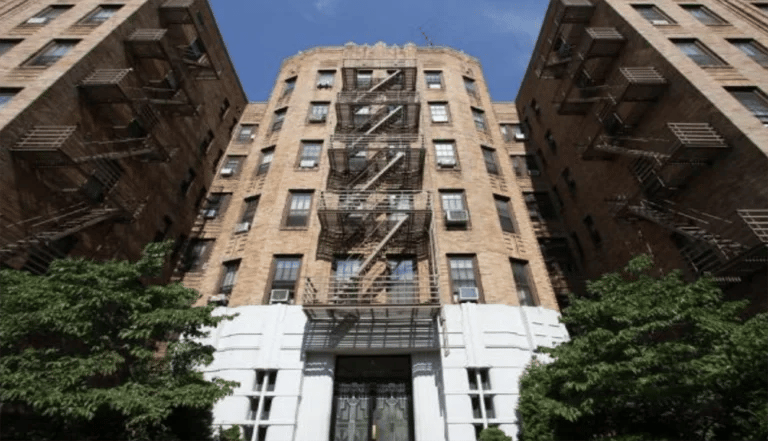
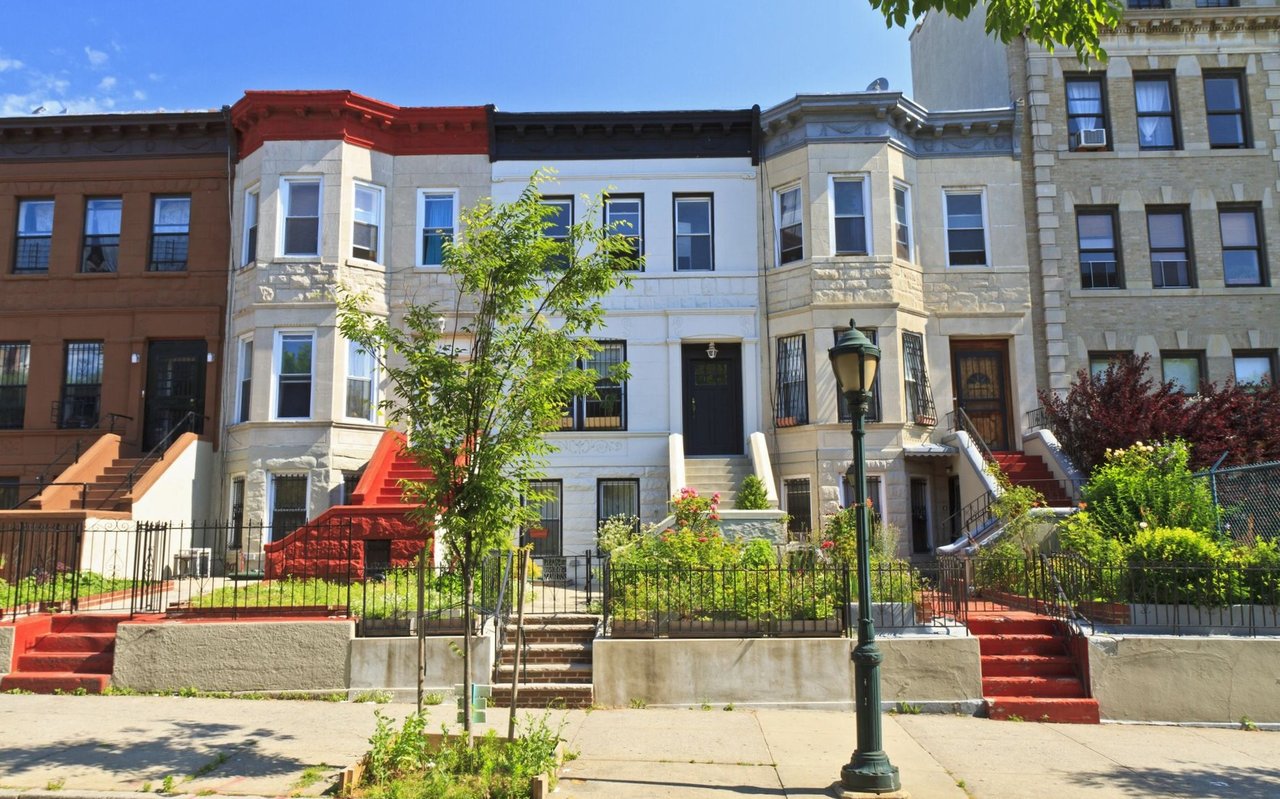
In Rosebank, a starter home does not always mean a brand-new small house. More often, it means an older one-family home, an attached property, a townhouse, or in some cases a modest two-family property that gives you flexibility.
The housing profile for the Stapleton-Rosebank area shows a mixed stock. About 23.6% of homes are detached one-unit properties, 19.3% are attached one-unit homes, and 25.9% are two-unit homes. There are also smaller shares of 3 to 4 unit buildings and larger multifamily buildings, which helps explain why the area offers more than one path into homeownership.
That mix is important if you are trying to balance budget and lifestyle. Instead of limiting your search to detached houses only, you may find better value by considering attached homes or townhouses with practical layouts and outdoor space.
Rosebank Townhouses and Small Homes
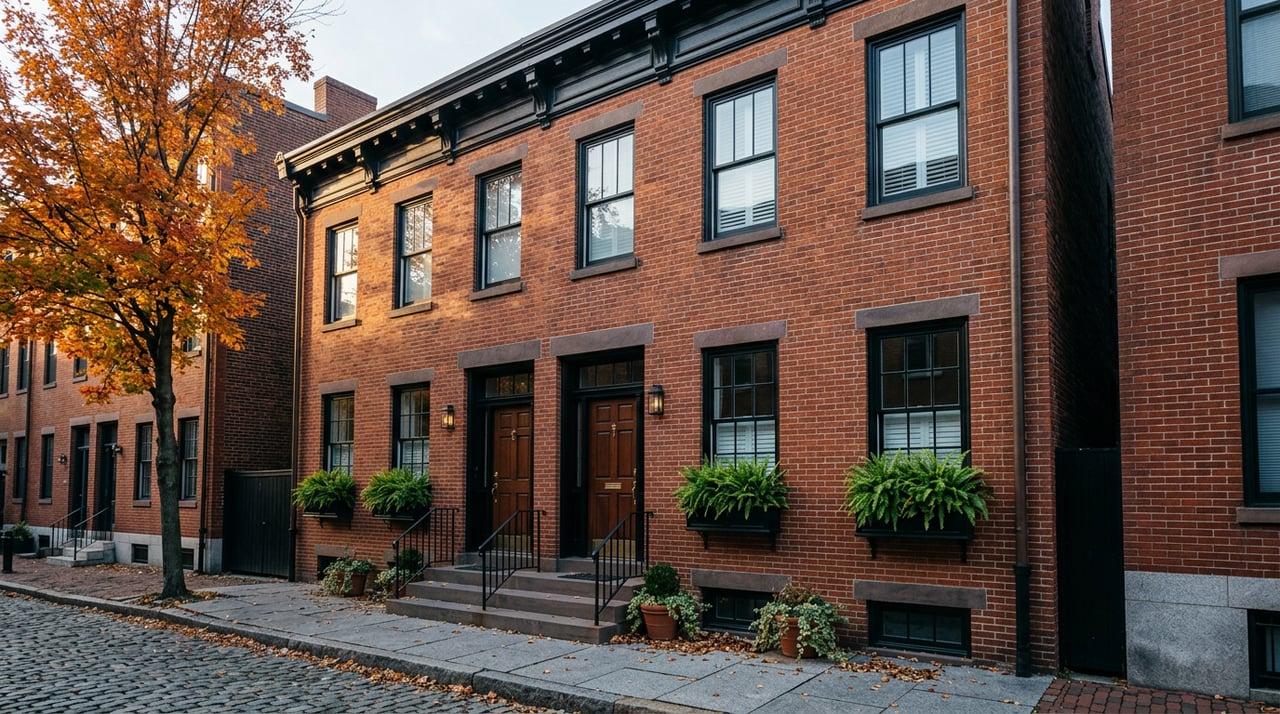
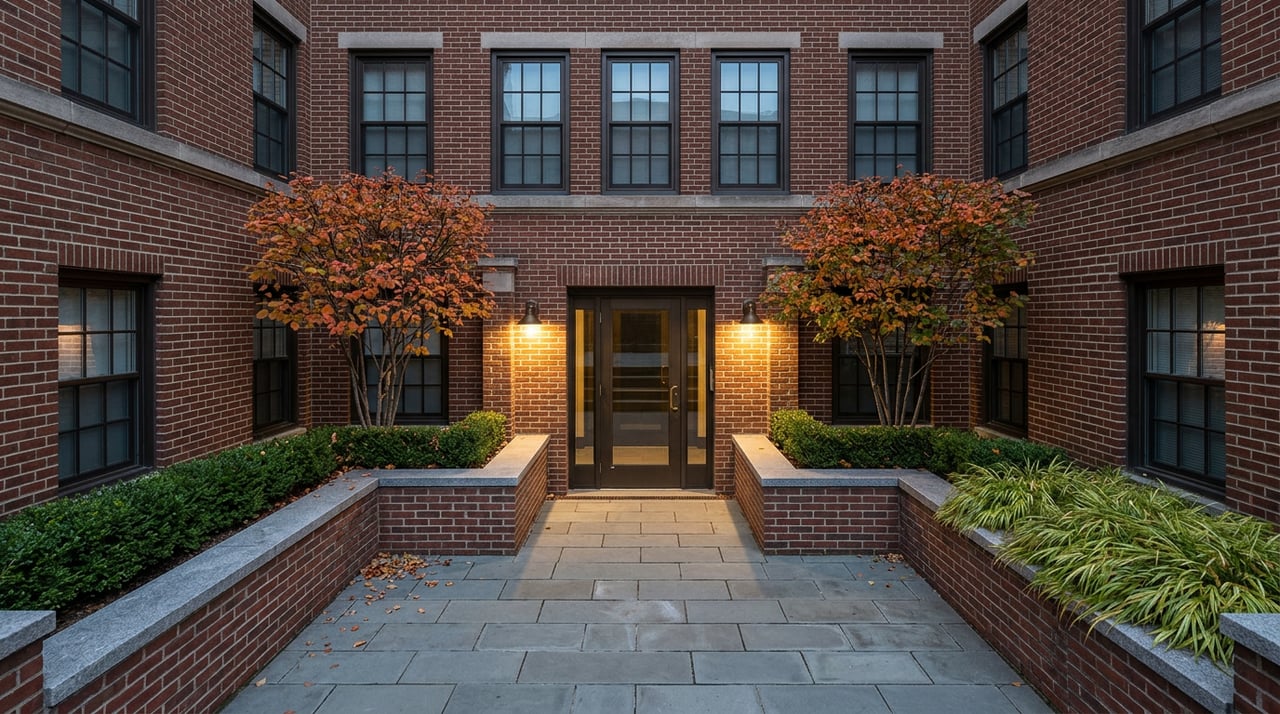
One of the strongest selling points in Rosebank is variety. Public listing examples show the kinds of homes first-time buyers are likely to see, including a two-bedroom single-family home with a finished basement and paved backyard, a three-level two-bedroom townhouse with a garage and driveway, and an attached two-family townhouse with a main residence plus a studio apartment.
That range tells you a lot about the market. Rosebank is not a one-note neighborhood where every home looks or lives the same. You may find properties with multiple floors, basement space, parking, or a private backyard, which can be especially appealing if you want more room without stepping into a much higher price bracket.
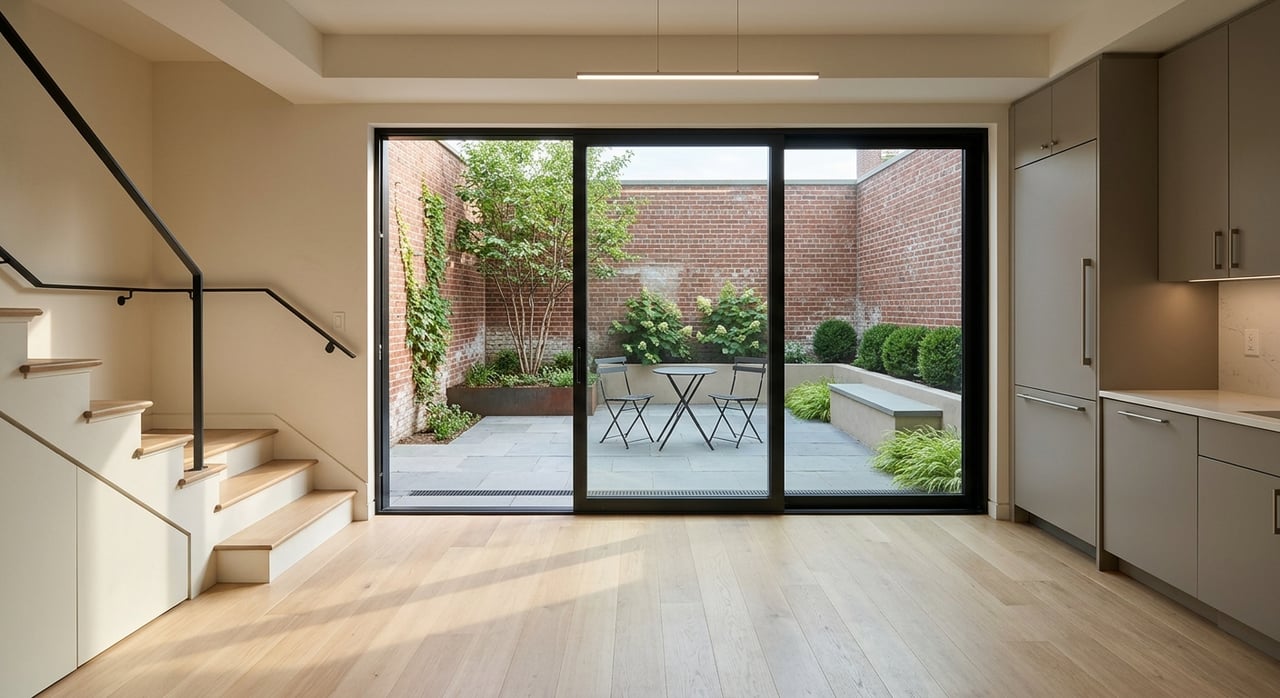
Outdoor space also shows up often in Rosebank listings and sale records. Private backyards, side yards, deep lots, driveways, garages, and low-maintenance paved yards are recurring features, which can make a difference if you want some of the benefits of house living while staying focused on an entry-level budget.
Older Housing Stock Can Be a Benefit
If you are open to older homes, Rosebank becomes even more interesting. The neighborhood profile shows that 39.6% of homes in the Stapleton-Rosebank area were built in 1939 or earlier, and 2024 sales records include homes dating from the late 1800s through the early 2000s.
That broad age range means you are likely to see a mix of layouts, lot sizes, and construction styles. Some buyers love that because it opens the door to homes with more personality or more traditional house proportions than newer product. Others appreciate that older housing stock can create more entry points than a market dominated by newer development.
The key is knowing what tradeoffs you are comfortable with. A home built decades ago may offer more charm, yard space, or flexibility in layout, while a newer townhouse may appeal if you want a more updated feel and a simpler maintenance profile.
Rosebank Prices in Context
Price is one of the biggest reasons buyers start looking seriously at Rosebank. In 2024, the neighborhood recorded 60 one-family sales with an average sale price of $644,697, along with 16 two-family sales averaging $866,948 and 6 three-family sales averaging $1,505,833.
That does not mean every starter home in Rosebank will fit every buyer’s budget. Still, the numbers do suggest that Rosebank can offer a somewhat softer entry point for one-family homes than nearby Grasmere, where the 2024 average one-family sale price was $734,994 and the average two-family sale price was $921,000.
For buyers who want to stay on the North Shore and keep a close eye on budget, that comparison matters. Rosebank may offer a better chance to find a one-family home or small attached property at a lower average price than some nearby alternatives.
Transit and Daily Convenience
Starter-home buyers usually care about more than just the house itself. You also want to know how daily life will work, especially if you commute or need flexible transportation options.
Rosebank has practical transit connections. MTA service includes the SIM30 route labeled Sunnyside/Rosebank to Midtown Manhattan, and the Bay Street and Johns Avenue area includes S51 and S81 bus service. Nearby Clifton and Grasmere stations on the Staten Island Railway add another layer of access within the North Shore corridor, while St. George remains the main transfer point for ferry, rail, and bus connections.
That setup helps explain Rosebank’s appeal. It is not centered on the ferry terminal itself, but it still connects into the wider transit network that many North Shore residents rely on.
Lifestyle and Local Character
Rosebank often stands out for buyers who want a more residential feel without giving up access to North Shore destinations. It reads differently from St. George, which is more transit-driven and retail-centered near the ferry terminal and Empire Outlets.
Rosebank also has a notable local amenity in Alice Austen House & Park. The site spans 14.796 acres, and the Alice Austen House Museum operates as a restored historic home along with a visitor center, research library, and archives. For buyers, that kind of nearby destination adds to the neighborhood’s identity and sense of place.
In practical terms, Rosebank can be a fit if you want a neighborhood that feels grounded in housing rather than major transit infrastructure. That difference can shape everything from street feel to the kinds of homes available.
What to Look For in a Rosebank Starter Home
When touring starter homes and townhouses in Rosebank, it helps to focus on features that match the way you actually live. Because the housing stock is varied, two homes at a similar price point may offer very different advantages.
Here are a few things worth watching closely:
- Layout: Older homes and attached properties can have unique floor plans, so think about how the space functions day to day.
- Outdoor space: Backyards, side yards, paved lots, and deep parcels appear often in Rosebank and may add meaningful value for your lifestyle.
- Parking: Some townhouses and small homes include driveways or garages, which can be a major plus.
- Home type: One-family, attached, townhouse, and modest two-family options each come with different space and ownership considerations.
- Building age: The neighborhood includes homes from many eras, so condition and update level can vary widely.
- Transit access: A home’s distance to bus routes or nearby rail stations may influence your daily routine.
If you go into your search with these priorities in mind, it becomes easier to compare homes beyond the list price alone.
Who Rosebank Fits Best
Rosebank is especially worth a look if you want a first home that feels more like a house than a typical apartment-style option. It can also make sense if you are open to older properties, attached homes, or townhouses that offer practical features like a yard, basement, driveway, or garage.
It may be a strong match if you are comparing North Shore neighborhoods and want something more residential than St. George while still staying tied into the same general transit network. And if you are price-sensitive, Rosebank’s 2024 one-family sales data suggest it can be a more approachable starting point than Grasmere on comparable house types.
The best way to shop here is with a clear plan and a local lens. In a neighborhood with mixed housing stock and wide variation in age, layout, and lot features, good guidance can help you spot real value and avoid wasting time on homes that do not fit your goals.
If you are thinking about buying in Rosebank, working with a local team can make the search feel much more focused. For personalized help exploring starter homes, townhouses, and other residential options in Staten Island, reach out to Ameer Hamdan.
FAQs
What types of starter homes are common in Rosebank?
- In Rosebank, starter-home options often include older one-family houses, attached homes, townhouses, and some modest two-family properties.
How do Rosebank home prices compare with Grasmere?
- In 2024, Rosebank’s average one-family sale price was $644,697, compared with $734,994 in Grasmere, suggesting a lower average entry point for that home type.
Are townhouses in Rosebank likely to have outdoor space?
- Public listings and sale records show that many Rosebank homes, including townhouses, may include features like private backyards, side yards, deep lots, or paved low-maintenance outdoor areas.
Is Rosebank a good fit for buyers who need transit access?
- Rosebank has bus service including the SIM30, S51, and S81, and it is also near the Staten Island Railway corridor through nearby Clifton and Grasmere stations.
Are most Rosebank homes newer or older?
- Rosebank has a significant older housing base, with 39.6% of homes in the Stapleton-Rosebank profile built in 1939 or earlier, alongside homes sold from many later decades.
How is Rosebank different from St. George for homebuyers?
- Rosebank generally reads as more residential and house-focused, while St. George is more centered on the ferry terminal, major transit connections, and nearby retail and waterfront development.